Safe At Home SeniorSafe At Home Senior
Open menu
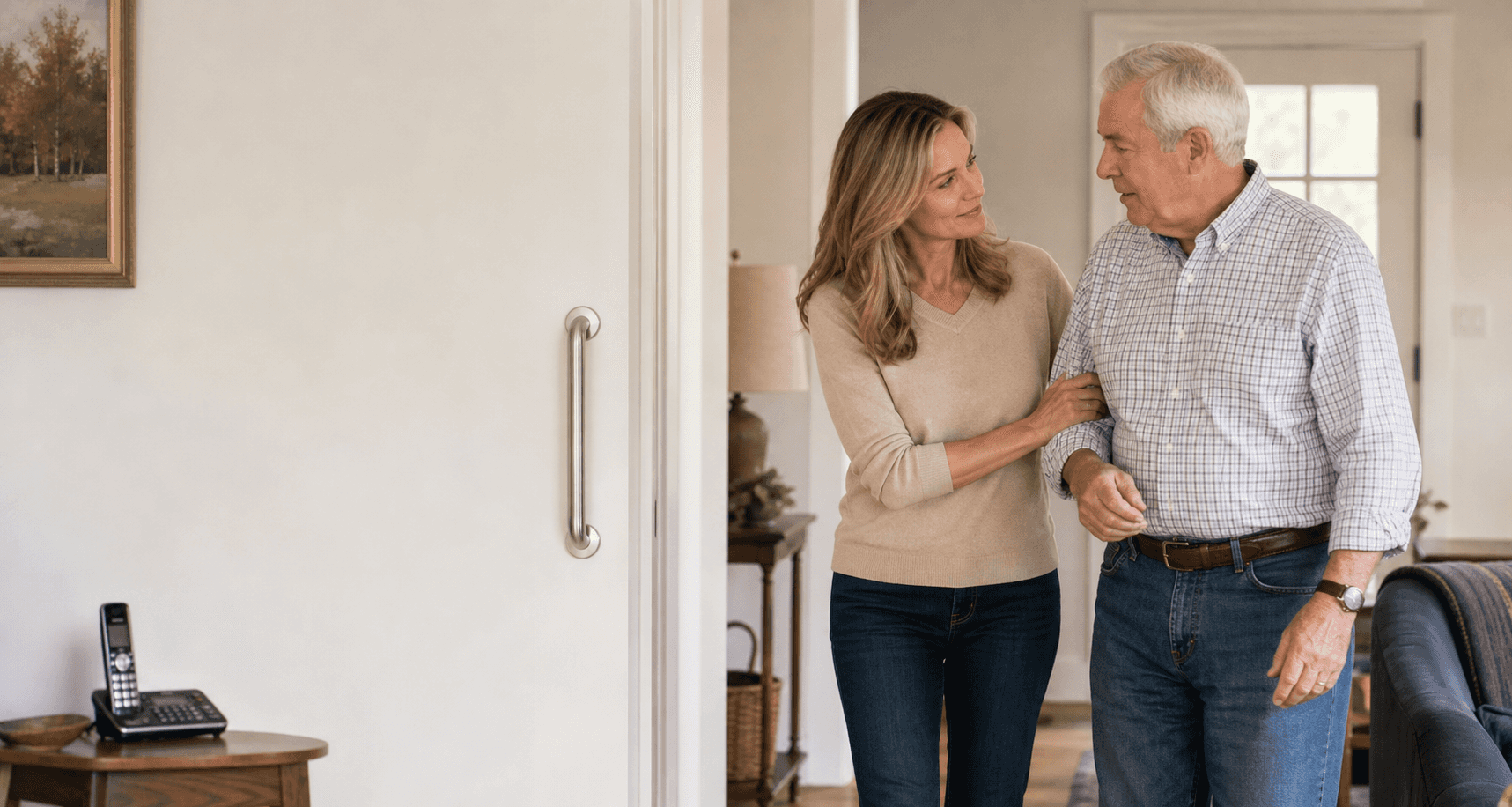
Adult child standing with an older parent in a warm home entryway with subtle safety updates.

There for you in life's tough moments

Protect the people you love, before a fall changes everything.

A fall, a hospital stay, a parent who can't get back up — most begin at home, and most are preventable. Tell us what's changed and we'll walk you to the one thing worth doing next. No overwhelm, no sales pitch.

Spot risks before they cause a fall
Built for family caregivers
Plain-English, one step at a time
Independent guidance, no medical advice

Start here

What are you trying to figure out first?

Pick the concern closest to what is happening. We will point you to the most useful guide first, then to product comparisons only when they fit the situation.

Information only

Suggested path

Start with: A fall or close call

Start with what happened, where it happened, and how help would be reached next time.

A fall can point to medical, medication, mobility, bathroom, lighting, or emergency-help questions. Products are only one layer.

This tool is for general education. It does not diagnose risk, replace medical advice, or determine whether someone can safely live at home.


Want to walk the whole house instead? Open the free room-by-room safety checklist.

Where families start most often

The decisions families research the hardest

These are the comparisons readers spend the most time on — each guide explains what actually matters, what it costs, and the questions to ask before any money changes hands.

Stairs becoming risky

What a stairlift really costs

Straight stairlifts typically run $2,500–$5,000 installed, curved $8,000–$12,000, per the National Council on Aging. See what moves the price for your staircase.

See stairlift pricesDoes Medicare help pay?

The riskiest room

Bathroom safety setup

Grab bars, shower seating, transfer benches, and toilet support — matched to the exact movement that has become hard, not bought as a bundle.

Plan the bathroomConsidering a walk-in tub?

Standing up is the struggle

Lift chairs and rise support

When getting out of a favorite chair becomes the hardest part of the day, compare seat height, lift mechanisms, fit, and delivery before choosing.

Compare lift chairsStart with the transfer problem

Higher-support care at home

Hospital beds and patient lifts

For recovery, transfers, or caregiver strain that everyday products can't solve — compare specialty equipment with fit, delivery, and training questions first.

Review equipment optionsComing home from the hospital?

How we help

One worried question at a time — never a wall of products

You don't have to figure this out alone or all at once. Here's how we turn a stressful moment into one clear, confident next step.

An older adult relaxing at home while an adult child checks in by phone.

1. Start with the moment, not a megastore

Tell us what's actually happening — a fall, a hospital discharge, a parent who lives alone. That single answer is all we need to point you the right way.

A weekly pill organizer being filled on a table.

2. Get a plain-English plan

We explain what matters first and the questions worth asking, so you can decide with confidence instead of guessing between dozens of look-alike products.

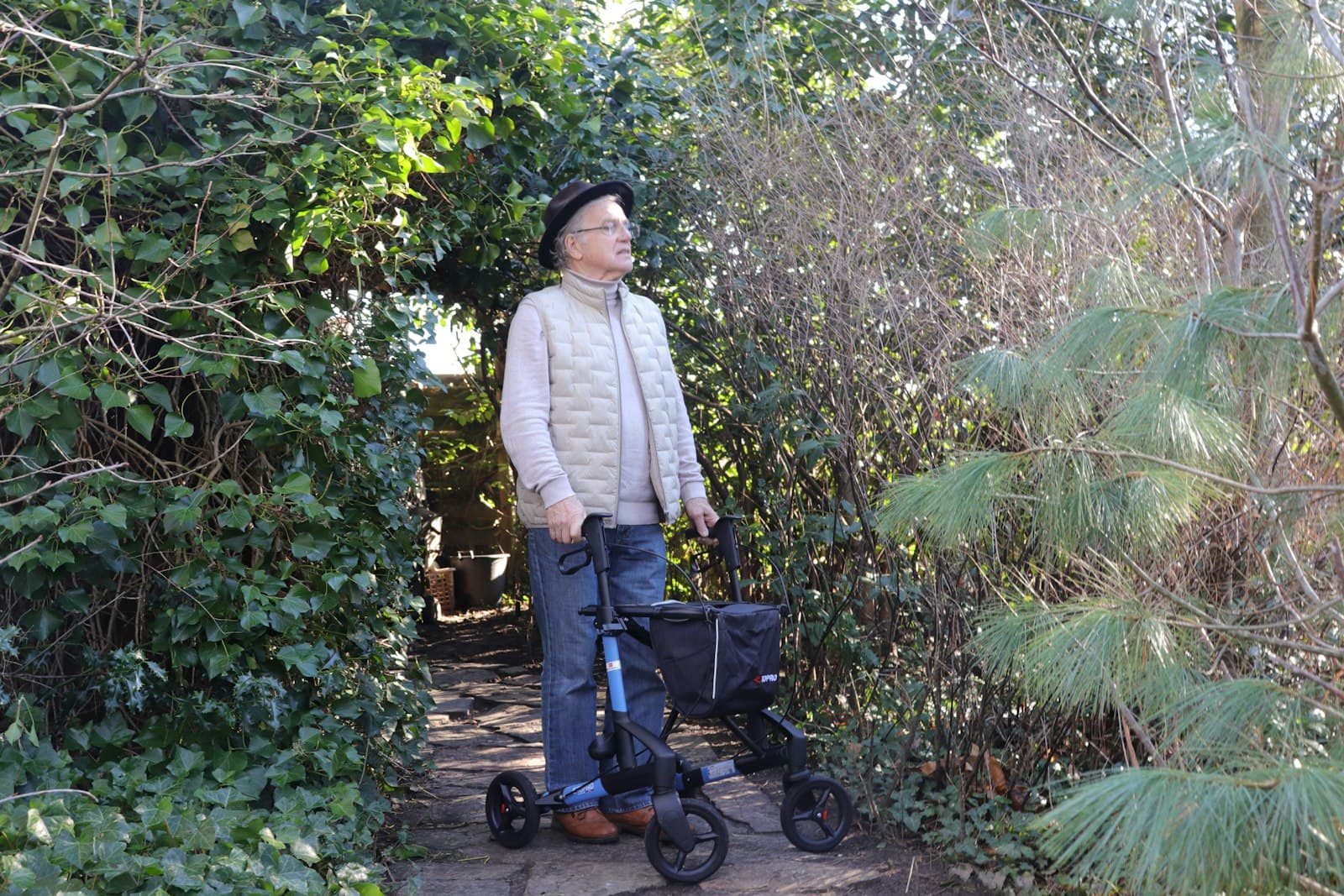
An older man standing outdoors with a rollator walker on a garden path.

3. Compare only what fits

Look at specific products or services only where they solve a real problem — with honest pros, cons, and safety caveats, never pressure.

Need a printable plan?

Keep the checklist open while you compare.

Use the public checklist for the family call, then follow only the buying paths that match the room, routine, and setup questions.

  • No email required
  • Printer-friendly for the family call
  • Buying paths stay in the online guide

How this site helps

Independent guidance for families comparing aging-at-home options

Safe At Home Senior is an independent educational resource for families comparing aging-at-home safety options. We do not provide medical advice, and we do not claim hands-on product testing unless a guide clearly says so. We help you compare categories, understand tradeoffs, and confirm the right questions before buying.

Caregiver-first buying questions
Affiliate links clearly disclosed
No hands-on testing claims unless stated
Read how we compare products

Why families trust us

About 3 in 4 adults age 50 and older say they want to stay in their own homes and communities as they age.
AARP · 2024 Home and Community Preferences Survey, 2024
About 1 in 4 Americans age 65 and older falls each year, and falls are the leading cause of injury for older adults.
CDC · Facts About Falls, 2024

Safe At Home Senior is independent, family-built guidance — honest comparisons, clear safety caveats, and no medical advice. About us and how we make money.

Frequently Asked Questions

What should we do first after an elderly parent falls at home?+

Start with what happened: where the fall occurred, whether there was an injury worth a medical check, and how your parent would reach help if it happened again. About 1 in 4 Americans age 65 and older falls each year, per the CDC, and a first fall is usually the moment to walk the home room by room — bathroom, lighting, pathways — and to decide how help gets called next time, before buying anything.

How much does a stairlift cost?+

Straight stairlifts typically cost $2,500–$5,000 installed, and curved stairlifts $8,000–$12,000, according to the National Council on Aging's stair lift cost guide. Staircase shape, rail length, and features like power swivel seats move the price most. Our stairlift cost guide breaks down the ranges and how to compare quotes for your exact staircase.

Does Medicare pay for a stairlift?+

Original Medicare (Parts A and B) typically does not cover stairlifts, because Medicare classifies them as home modifications rather than durable medical equipment. Some Medicare Advantage plans offer limited home-safety allowances, and Medicaid waivers or VA grants can help eligible families — our Medicare and stairlifts guide walks through each program.

What's the difference between a medical alert system and a fall detection watch?+

A monitored medical alert system connects the wearer to a 24/7 response center that can dispatch help and notify family. A consumer fall detection watch usually alerts chosen contacts and depends on a paired phone and a daily charging routine. If the core worry is who responds when nobody is nearby, compare monitored services first, then pick the hardware.

Which home changes do the most to prevent falls?+

Older-adult falls lead to about 3 million emergency department visits each year, per the CDC, and most happen during ordinary routines. The highest-impact changes are usually the unglamorous ones: clear walking paths, properly installed grab bars, lighting on the bed-to-bathroom route, supportive footwear, and a realistic plan for reaching help. Start with the room-by-room checklist instead of a shopping cart.

How do we know when aging at home is no longer safe?+

Look for patterns rather than one bad day: repeated falls, missed medications, weight changes, wandering, or a family caregiver who is burning out. This is a planning question, not a product question — our guide to that decision lists the signals worth discussing with a clinician, and the support options between fully independent and moving out.

Didn't see your situation above?

The full starting-point tool covers every family situation we've mapped — medication routines, hearing, vision, resistance to help, and more — each with the single most useful guide first.

See every starting point