
By Aaron Rabinowe · Updated May 28, 2026
Aging-in-Place Home Safety Checklist
Check off the concerns that apply, use the buying-path labels to compare fit and return terms online, and involve qualified professionals for medical, construction, legal, financial, or urgent care decisions.

A safer home does not have to feel institutional. Many useful changes are quiet: better lighting, a clearer path, a steadier chair, or a button that is actually worn every day. If a concern involves symptoms, major construction, legal planning, finances, or care needs, involve qualified professionals.
Guided shopping checklists
Start with what changed, then build the checklist.
If the family is asking what to buy, choose the closest situation first. Each checklist separates what to buy/compare now, what to measure/check fit first, and what to ask a professional or care team before checkout.
- Parent is coming home from the hospitalFirst-three-days setup, bed and bathroom needs, transfers, supplies, and help access.
- Parent fell or keeps fallingHelp access, transfer changes, bathroom route, bed/chair setup, and escalation questions.
- Parent lives alone and family needs visibilityMedical alerts, check-ins, reminders, privacy boundaries, and outage backup.
- Parent needs help bathing or bathroom is unsafeShower seating, toilet support, grab bars, wet floors, and bathroom help access.
- Parent has trouble standing, walking, or transferringWalker or rollator fit, lift chairs, bed/toilet transfers, route clearance, and caregiver strain.
- Low vision or hearing creates home-safety riskLighting, phones, doorbells, labels, alert awareness, and eye or hearing-care questions.
Guided buying plan
Turn the checklist into a printable shopping plan
Pick the concerns that match the home. The plan below becomes a checklist you can print, check off, and use to open the most relevant buying guides before checkout.
Your checklist cart
This is not a retail cart. It is the family's buying map: check off the need, verify the fit, then open the guide that contains the relevant shopping paths.
Event basket
Parent is coming home from the hospital
Use this basket for discharge planning, family coordination, and the first three days at home. It keeps buying paths tied to setup facts instead of guessing from worry.
Buying snapshot
Start with the first 72 hours at home: bed, bathroom, transfers, help access, supplies, and the route from entry to resting place. Compare products only after the discharge plan and home measurements name a real gap.
- Best for
- Family discharge meetings where one person is turning clinical instructions into a shopping and setup plan.
- Verify first
- Discharge orders, weight-bearing limits, bed and toilet height, doorway width, tub style, delivery timing, and who will respond if help is needed.
- Avoid if
- The care team says symptoms, transfers, wounds, medications, or supervision needs require hands-on support before product changes.
Priority compare paths
Use these first when the setup questions already point to a buying lane. Keep professional-check-first paths tied to the verify-first notes.
Priority buying paths: use these first when the setup questions already point to a buying lane; keep professional-check-first paths tied to the verify-first notes.
- [ ] Compare hospital beds for Sleeping and bed-transfer setup
- [ ] Compare patient lifts for Transfer and mobility path
- [ ] Compare medical alerts for Help-access and response plan
Use the live site links later for current provider, retailer, delivery, return, and fit checks.
Setup questions before checkout
Keep the answers practical and non-private. These are setup notes for caregivers, not medical history.
- What changed since the hospital stay: walking, toileting, bathing, sleeping, medication timing, or help access?
- Which room or route will be hardest during the first three days home?
- Where does help need to arrive: bed, bathroom, favorite chair, entryway, car, or kitchen?
- What measurements are already known: bed height, doorway width, tub style, toilet height, ramp rise, or chair height?
Buy/compare now
Open these paths when the discharge plan, home layout, and daily routine already point to the need.
Sleeping and bed-transfer setup
Why it matters: The first nights home often reveal bed height, positioning, washable protection, and caregiver-access gaps.
Buy when: Discharge planning points to first-floor sleeping, harder bed transfers, positioning support, or frequent linen changes.
Verify first: Mattress height, transfer side, rail warnings, delivery timing, setup help, pad size, and therapy guidance.
Avoid if: Do not add rails, wedges, or larger equipment when product warnings or discharge guidance say they do not fit the person or bed.
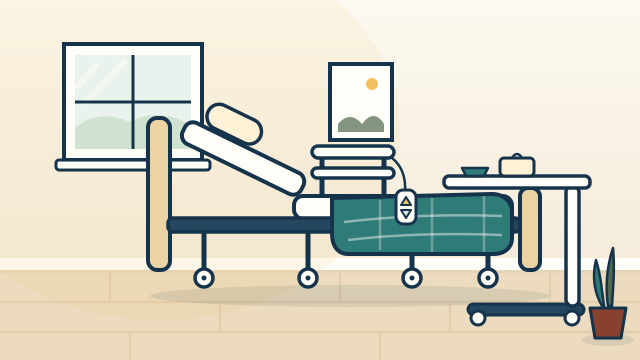
Bed setup: confirm bed height, transfer side, washable protection, and whether hospital-bed equipment is needed.
Confirm bed mobility, positioning, and rail guidance with the discharge team or therapist.
Toileting and bathing setup
Why it matters: Toileting and bathing are often where hospital support does not match the home bathroom.
Buy when: The bathroom is far from the bed, the toilet is low, tub entry is hard, or bathing will be limited at first.
Verify first: Toilet height, floor space, tub edge, shower opening, seat width, cleaning routine, caregiver access, and return limits.
Avoid if: Do not assume a shower chair, commode, or transfer bench fits until the bathroom footprint and transfer direction are checked.
Bathroom setup: decide whether toilet support, a bedside commode, shower seating, or a transfer bench fits the first week home.
Follow discharge instructions for bathing limits, wound protection, weight-bearing, and caregiver assistance.
Help-access and response plan
Why it matters: A phone on the counter may not help if someone needs assistance from bed, bathroom, garage, or the entryway.
Buy when: The older adult may be alone between visits, moves slowly, or cannot reliably carry a phone through the home.
Verify first: Wearable comfort, water resistance, home range, fall-detection terms, caregiver alerts, cancellation, and backup contacts.
Avoid if: Do not rely on one device without a written response plan and a backup way to reach help.
Help access: choose how help will be reached from bed, bathroom, entryway, and other high-risk spots.
Use emergency services for urgent symptoms or unsafe situations. A device is not a substitute for hands-on care.
Measure/check fit first
Use these rows to gather dimensions, delivery constraints, and setup details before choosing a product.
Transfer and mobility path
Why it matters: Chair, bed, toilet, shower, and car transfers can be harder at home than they looked in the hospital.
Buy when: Standing, pivoting, walking, or caregiver lifting will be part of the first week home.
Verify first: Weight-bearing guidance, handle height, turning space, transfer side, caregiver training, delivery timing, and professional fitting.
Avoid if: Do not buy higher-support transfer equipment without confirming it matches the discharge plan and caregiver ability.
Transfers: write down bed, chair, toilet, shower, and car transfers that need equipment or hands-on help.
Confirm transfer method, weight-bearing limits, and caregiver training with PT/OT or the discharge team.
Entryway, route, and first-floor access
Why it matters: The trip from car to bed or chair can expose steps, thresholds, narrow turns, rugs, and low lighting.
Buy when: There are entry steps, a high threshold, narrow halls, a long bed-to-bathroom route, or nighttime movement.
Verify first: Step rise, ramp slope, doorway width, turning space, lighting coverage, cord hazards, and installer requirements.
Avoid if: Do not use temporary ramps, mats, or lighting layouts that create a new trip hazard.
Entry route: measure steps, thresholds, doorway width, turning space, and lighting before the discharge date.
Use qualified installers or professional review for ramps, railings, electrical work, or structural changes.
Ask professional/discharge team
Bring these questions to discharge planning, PT/OT, home health, pharmacy, or a qualified installer.
Daily supplies, medication, and follow-up list
Why it matters: Families often leave the hospital with medication changes, supply needs, and follow-up tasks spread across papers and portals.
Buy when: There are new daily-care supplies, skin-care items, pill routines, refill timing, or appointments to coordinate.
Verify first: Exact supply type and size, skin sensitivity, medication list, refill plan, pharmacist review, and where instructions will be stored.
Avoid if: Do not replace clinician instructions, wound-care directions, or pharmacy guidance with a generic product list.
Supplies and medications: confirm sizes, quantities, instructions, refill timing, and who owns follow-up tasks.
Use the discharge team, pharmacist, or home-health nurse for medication, wound, skin, therapy, and symptom questions.
Event basket
Parent fell or keeps falling
Use this basket after a fall, close call, or repeated-fall pattern to separate urgent buying paths from measurements and professional-review questions.
Buying snapshot
After a fall, separate response access from the room or transfer problem. Compare an alert path if help may not be reachable, then measure the bathroom, bedroom, chair, mobility route, and transfer setup before buying equipment.
- Best for
- A recent fall, close call, or repeated pattern where the family needs a same-week action list.
- Verify first
- Injury or urgent symptoms, how help was reached, fall location, transfer changes, bed/toilet/chair height, and whether PT/OT guidance is needed.
- Avoid if
- There are new symptoms, head impact, repeated unexplained falls, or caregiver lifting concerns that need medical or emergency review first.
Priority compare paths
Use these first when the setup questions already point to a buying lane. Keep professional-check-first paths tied to the verify-first notes.
Priority buying paths: use these first when the setup questions already point to a buying lane; keep professional-check-first paths tied to the verify-first notes.
- [ ] Compare post-fall monitored alert for Help-access plan after a fall
- [ ] Open bathroom buying path for Bathroom and nighttime route reset
- [ ] Choose post-fall equipment path for Transfer and recovery equipment path
Use the live site links later for current provider, retailer, delivery, return, and fit checks.
Setup questions before checkout
Keep the answers practical and non-private. These are setup notes for caregivers, not medical history.
- What happened after the fall: getting up, reaching help, toileting, chair transfer, bed transfer, or walking the usual route?
- Where did it happen, and what has changed in that room or route since then?
- Can help be reached from the floor, bathroom, bed, favorite chair, entryway, and yard?
- What needs measuring before buying: bed height, toilet height, chair height, doorway width, transfer side, walker path, or step height?
Buy/compare now
Open these paths when the recent fall, home layout, and daily routine already point to the need.
Help-access plan after a fall
Why it matters: After one fall or close call, the first buying question is often how help will be reached from the floor or bathroom.
Buy when: The older adult may be alone, may not carry a phone reliably, or may be unable to press a button after a fall.
Verify first: Monitoring model, fall-detection limits, home range, water resistance, caregiver alerts, battery routine, cancellation, and backup contacts.
Avoid if: Do not treat automatic fall detection as a guarantee that every fall will be detected or that hands-on help is unnecessary.
Help access: choose how help will be reached from the floor, bathroom, bed, chair, entryway, and yard.
Use emergency services for urgent symptoms, injury, head impact, new weakness, or unsafe situations.
Transfer and recovery equipment path
Why it matters: The fall may reveal that standing, pivoting, bed transfers, toilet transfers, or caregiver lifting now need a clearer equipment lane.
Buy when: A caregiver had to lift, the person could not rise safely, or transfers changed after the fall.
Verify first: Weight-bearing guidance, transfer direction, caregiver training, room clearance, delivery timing, weight rating, and return terms.
Avoid if: Do not buy transfer boards, lifts, or rehab equipment without confirming fit, training, and the care plan.
Transfers: identify which bed, chair, toilet, shower, or car transfer changed after the fall.
Confirm transfer method, weight-bearing limits, and caregiver training with PT/OT or the care team.
Measure/check fit first
Use these rows to gather room, route, transfer, and delivery details before choosing a product.
Bathroom and nighttime route reset
Why it matters: Many post-fall purchases involve the bathroom, a nighttime trip, or the route between bed and toilet.
Buy when: The fall happened near toileting, bathing, a wet floor, a dark hallway, or a long bed-to-bathroom route.
Verify first: Toilet height, tub edge, shower opening, grab-bar anchoring, floor space, lighting coverage, and transfer direction.
Avoid if: Do not rely on towel bars, suction-only support, loose mats, or lighting that creates glare or cords in the path.
Bathroom route: measure toilet, tub, shower, grab-bar locations, lighting, and bed-to-bathroom path.
Use professional installation or therapy guidance for grab bars, transfers, and bathing support when fit is uncertain.
Bed, chair, and standing setup
Why it matters: Falls often cluster around getting up from bed, a favorite chair, or a seat that is too low, too soft, or poorly positioned.
Buy when: Standing now takes several tries, the bed height changed, or the family is considering higher-support bedroom equipment.
Verify first: Seat height, bed height, transfer side, floor clearance, rail warnings, room clearance, delivery setup, and return limits.
Avoid if: Do not add a rail, lift chair, or hospital bed without checking product warnings, transfer method, and available space.
Bed and chair: measure seat height, bed height, transfer side, rail fit, and space for caregivers or equipment.
Ask the care team whether bed mobility, chair transfers, or positioning require therapy guidance or different equipment.
Ask professional/therapy team
Bring these questions to the clinician, PT/OT, home health team, pharmacist, or qualified installer.
Walking-aid and rehab-equipment review
Why it matters: A walker, cane, rollator, or rehab item can create new problems if the height, brakes, turning space, or strength level is wrong.
Buy when: Walking changed after the fall, the current aid was not used, or the family is comparing larger recovery equipment.
Verify first: Professional fitting, handle height, brakes, flooring, threshold clearance, indoor/outdoor route, storage, and caregiver support.
Avoid if: Do not buy based only on popularity when balance, strength, cognition, or recovery status has changed.
Mobility: confirm fitting, brakes, turning space, thresholds, and whether rehab equipment belongs in the plan.
Use PT/OT, clinician, or home-health input before changing walking aids or relying on new rehab equipment.
Repeated-fall and care-plan escalation
Why it matters: If falls repeat, the purchase list should stay tied to care decisions, supervision, medication review, and the limits of the home setup.
Buy when: There has been more than one fall, unexplained time on the floor, caregiver strain, or a serious mismatch between needs and home layout.
Verify first: Medication changes, dizziness, vision, footwear, supervision gaps, home-health eligibility, home visit needs, and when to reassess living arrangements.
Avoid if: Do not keep adding products when the pattern suggests the person needs clinical review, more hands-on care, or a different support plan.
Escalation: list repeated falls, help gaps, medication questions, supervision needs, and when to request a home visit or care review.
Repeated falls or sudden changes deserve professional review; products alone may not be enough.
Event basket
Parent lives alone and family needs visibility
Use this basket when the problem is not one room but the response layer: help access, check-ins, reminders, routines, privacy, and backup contacts.
Buying snapshot
For an older parent living alone, start with the response gap: how help is reached, who can enter locally, what happens after a missed routine, and which rooms or outside routes create the highest risk.
- Best for
- Long-distance families comparing monitored alerts, check-ins, key access, lighting, medication reminders, and backup plans.
- Verify first
- Responder distance, phone reliability, cell or Wi-Fi coverage, shower/outside-home use, wearable comfort, lockbox permissions, privacy, and cancellation terms.
- Avoid if
- The plan depends on surveillance or one device without consent, backup contacts, key access, or emergency-service instructions.
Priority compare paths
Use these first when the setup questions already point to a buying lane. Keep professional-check-first paths tied to the verify-first notes.
Priority buying paths: use these first when the setup questions already point to a buying lane; keep professional-check-first paths tied to the verify-first notes.
- [ ] Compare Medical Care Alert for Help-access and emergency-response layer
- [ ] Compare key lockboxes for Local responder and key-access plan
- [ ] Compare fall watches for Fall-detection and wearable fit check
Use the live site links later for current provider, retailer, delivery, return, and fit checks.
Setup questions before checkout
Keep the answers practical and non-private. These are setup notes for caregivers, not medical history.
- What is the first living-alone worry: reaching help, missed check-ins, medications, nighttime movement, meals, or outages?
- How far away is the nearest reliable responder, and who can check in the same day if a call, alert, or routine is missed?
- Can the person reliably reach or use a phone from the bathroom, bedroom, favorite chair, kitchen, entryway, yard, and away from home?
- Do showering, nighttime bathroom trips, outside walks, or mailbox and yard routines create the highest help-access risk?
- Which setup details are known: Wi-Fi, cell coverage, charging spot, wearable comfort, water resistance, emergency contacts, account access, and who responds to alerts?
- What local entry plan and privacy boundaries should the family agree on before adding lockboxes, cameras, sensors, apps, or shared accounts?
Buy/compare now
Open these paths when the family already knows which living-alone gap needs a response layer.
Help-access and emergency-response layer
Why it matters: When someone lives alone, the first buying question is often how help will be reached from the floor, bathroom, bedroom, yard, or away from home.
Buy when: The older adult may not carry a phone reliably, lives alone between visits, or needs a clearer response plan for urgent moments.
Verify first: Monitoring model, wearable comfort, water resistance, home range or GPS, fall-detection terms, cancellation, and backup contacts.
Avoid if: Do not rely on a device without confirming who responds, how contacts are updated, and what still requires emergency services.
Help access: choose how help can be reached from bathroom, bedroom, chair, floor, yard, and away from home.
Use emergency services for urgent symptoms or unsafe situations. A device is not a substitute for hands-on care.
Local responder and key-access plan
Why it matters: A monitored alert or missed-call plan can fail if the person cannot open the door and no trusted responder can enter.
Buy when: A local relative, neighbor, aide, or responder may need entry after an alert, missed check-in, outage, or urgent change.
Verify first: Authorized contacts, building rules, placement, weather exposure, code sharing, code changes, emergency-service instructions, and privacy.
Avoid if: Do not share codes broadly, hide keys casually, or assume a lockbox replaces emergency services when immediate help is needed.
Local entry: list backup responders, key-access method, lockbox location, code-sharing rules, and when to call emergency services.
Use emergency services for urgent symptoms, injury, fire, unsafe heat or cold, or immediate danger.
Night movement and lighting layer
Why it matters: A person living alone may move at night without someone nearby to notice a trip, missed bathroom route, or power outage problem.
Buy when: Nighttime bathroom trips, dim hallways, stairs, kitchen visits, or outage planning are part of the living-alone concern.
Verify first: Outlet locations, motion range, brightness, glare, battery backup, cord placement, hallway coverage, and reachable backup lights.
Avoid if: Do not add lights, cords, or mats that create glare, clutter, or new trip points in the route.
Night route: mark the bed-to-bathroom path, outlet locations, motion-light coverage, and reachable backup lights.
If nighttime movement has suddenly changed, ask the care team what changed instead of only adding products.
Check setup/permissions first
Use these rows to confirm accounts, charging, Wi-Fi, coverage, rooms, and consent before choosing a device.
Fall-detection and wearable fit check
Why it matters: Families often compare fall-detection watches or buttons for living-alone situations, but response model, detection limits, and wearing habits matter.
Buy when: The family wants wrist-style help access, automatic detection context, or a backup to phone-based check-ins after deciding who responds.
Verify first: Monitoring model, phone requirements, battery life, water resistance, subscription terms, emergency calling, seller details, returns, and charging routine.
Avoid if: Do not treat retail fall detection as guaranteed detection of every fall or as a replacement for monitored response or supervision when hands-on help is needed.
Fall detection: compare wearing comfort, charging, water resistance, phone needs, monitoring, and detection limits.
Use clinician or emergency guidance for new weakness, injury, head impact, repeated falls, or unsafe situations.
Caregiver visibility and check-in setup
Why it matters: Some families need routine visibility without turning every concern into a phone call or camera decision.
Buy when: The family wants video calls, reminders, routine-based alerts, shared calendars, or a way to notice missed patterns.
Verify first: Wi-Fi, account ownership, permissions, privacy comfort, notification routing, camera settings, and who responds when something looks wrong.
Avoid if: Do not add monitoring tools without consent, privacy boundaries, and a clear response plan.
Visibility: decide which check-ins, reminders, account permissions, privacy rules, and alert responses the family will use.
Monitoring does not replace emergency services, medical care, direct caregiving, or professional judgment.
Ask family/care team
Use these rows for backup contacts, medication questions, privacy boundaries, and when hands-on help may be needed.
Medication routine and reminder plan
Why it matters: Living alone can make missed, duplicate, or changed doses harder for family members to notice quickly.
Buy when: Medication timing, refill ownership, reminders, or recent prescription changes are part of the living-alone worry.
Verify first: Dose schedule, who fills the organizer, pharmacist review, label readability, opening difficulty, lock needs, and refill timing.
Avoid if: Do not simplify or pre-sort medications in a way that conflicts with pharmacy or clinician instructions.
Medications: write who fills the organizer, who checks changes, refill dates, reminder method, and pharmacy questions.
Ask the pharmacist, prescriber, or care team about dose changes, side effects, confusion, dizziness, or missed doses.
Outage, backup contact, and emergency basics
Why it matters: Power outages, storms, phone failures, and local backup gaps become more urgent when no one else is in the home.
Buy when: The family needs reachable outage information, backup lighting, medical ID visibility, care supplies, or local response contacts.
Verify first: Radio charging method, flashlight placement, medical ID details, local key access, backup phone charging, and who checks after outages.
Avoid if: Do not store emergency gear where it cannot be reached during a fall, outage, or nighttime problem.
Emergency backup: list radios, lights, charging, visible ID, local contacts, key access, and outage check-in plan.
Use emergency services for urgent symptoms, fire, unsafe heat or cold, injury, or immediate danger.
Event basket
Parent needs help bathing or bathroom is unsafe
Use this basket when toileting, bathing, wet floors, tub entry, or bathroom response planning is the urgent family problem. It separates ready-to-compare products from fit checks and professional questions.
Buying snapshot
In an unsafe bathroom, choose products by the hard task: tub entry, standing to bathe, toilet transfers, wet floors, or reaching help. Measure the room before comparing chairs, benches, bars, mats, or alert devices.
- Best for
- Bathing or toileting problems after a fall, discharge, fatigue change, or caregiver setup change.
- Verify first
- Tub edge, shower opening, toilet height, wall material, floor space, door swing, drainage, grab-bar anchoring, and bathing limits.
- Avoid if
- A product would rely on towel bars, suction-only support, loose mats, cramped transfers, or ignores wound, skin, or weight-bearing instructions.
Priority compare paths
Use these first when the setup questions already point to a buying lane. Keep professional-check-first paths tied to the verify-first notes.
Priority buying paths: use these first when the setup questions already point to a buying lane; keep professional-check-first paths tied to the verify-first notes.
- [ ] Choose shower chair or bench for Bathing seat and tub-transfer choice
- [ ] Compare grab bars for Grab-bar locations and secure installation
- [ ] Compare Medical Care Alert for Water-resistant help-access plan
Use the live site links later for current provider, retailer, delivery, return, and fit checks.
Setup questions before checkout
Keep the answers practical and non-private. These are setup notes for caregivers, not medical history.
- What is hardest right now: stepping over the tub, standing in the shower, sitting from the toilet, reaching items, or caregiver space?
- Which bathroom details are known: tub style, shower opening, toilet height, wall material, door swing, floor space, and drainage?
- Where could help be needed if something goes wrong: shower, tub edge, toilet, sink, hallway, bedroom, or phone location?
- What must be confirmed first: bathing limits, weight-bearing, wound protection, skin care, installation, rental rules, or return terms?
Buy/compare now
Open these paths when the bathroom routine, layout, and help-access gap already point to the need.
Bathing seat and tub-transfer choice
Why it matters: A shower chair, stool, or transfer bench only helps if it matches the tub edge, shower opening, turning space, and caregiver setup.
Buy when: Standing to bathe, stepping over the tub, turning, fatigue, or caregiver hands-on help is the main bathroom problem.
Verify first: Tub height, shower opening, seat width, arms, back support, drainage, caregiver access, weight rating, and returns.
Avoid if: Do not choose only by price or popularity when the person cannot safely step, turn, sit, or transfer in that bathroom.
Bathing seat: measure tub edge, shower opening, seat width, turn space, and caregiver access before checkout.
Follow bathing, wound, weight-bearing, and transfer instructions from the care team when they apply.
Toilet support and urgent toileting setup
Why it matters: Low toilet height, rushed trips, and unsupported standing can turn toileting into the hardest bathroom task.
Buy when: The toilet is too low, standing needs arm support, the bathroom is far at night, or a bedside option may be needed.
Verify first: Toilet height, bowl shape, arm width, floor space, cleaning routine, nighttime path, bucket setup, and privacy.
Avoid if: Do not rely on unstable frames, loose risers, towel bars, or furniture that is not designed for body-weight support.
Toileting: measure toilet height, arm support, floor space, nighttime route, and whether a bedside commode fits.
Ask the care team about sudden toileting changes, dizziness, weakness, confusion, or skin concerns.
Water-resistant help-access plan
Why it matters: A phone on the vanity may be unreachable or wet when help is needed from the shower, tub, toilet, or floor.
Buy when: The older adult bathes or toilets alone, help may be out of earshot, or the family needs a clearer response plan.
Verify first: Water-resistance terms, wearable comfort, voice reach, monitoring model, bathroom range, caregiver alerts, backup contacts, and local entry method.
Avoid if: Do not assume a device works in every wet-room situation or that automatic detection replaces a response plan and entry method.
Help access: choose how help can be reached from shower, tub, toilet, floor, hallway, bedroom, and a locked entry.
Use emergency services for urgent symptoms, injury, new weakness, or unsafe situations.
Measure/check fit first
Use these rows to confirm tub, toilet, shower, wall, floor, and lighting details before choosing products.
Grab-bar locations and secure installation
Why it matters: The right support point depends on the wall, studs, tub or shower entry, toilet position, reach, and transfer direction.
Buy when: The person reaches for towel bars, sliding doors, sinks, shelves, or a caregiver during toileting or bathing.
Verify first: Wall material, stud or anchor options, placement, diameter, texture, installer needs, rental permissions, and return terms.
Avoid if: Do not treat towel bars, glass doors, shelves, or suction-only supports as dependable body-weight support.
Grab bars: mark toilet, tub, shower, entry, studs or wall material, reach direction, and installer needs.
Use qualified installation or therapy guidance when placement, transfer direction, or wall strength is uncertain.
Wet-floor, mat, and lighting reset
Why it matters: Bathroom products can create new hazards if mats bunch up, lighting glares, cords cross paths, or water collects on the floor.
Buy when: Floors get wet, the route is dim, color contrast is poor, towels or rugs shift, or nighttime bathroom trips are common.
Verify first: Mat edges, drainage, cleaning, outlet location, motion range, brightness, glare, battery backup, and cord placement.
Avoid if: Do not add loose rugs, high edges, extension cords, or bright lights that make the route harder to see or navigate.
Floor and lighting: check wet areas, mat edges, drainage, glare, outlet locations, and the bed-to-bathroom route.
If vision, dizziness, medication, or mobility recently changed, ask the care team what else should be reviewed.
Ask professional/installer
Bring these questions to OT/PT, home health, a clinician, landlord, or qualified installer before changing the bathroom setup.
Bathing help, skin care, and privacy plan
Why it matters: Some bathroom problems are really staffing, privacy, skin-care, endurance, or transfer-training problems, not just product gaps.
Buy when: A caregiver assists with bathing, skin care, dressing, continence supplies, wound protection, or cleanup routines.
Verify first: Bathing limits, skin instructions, continence routine, caregiver strain, privacy preferences, supply sizes, and home-health eligibility.
Avoid if: Do not keep adding products when hands-on help, therapy, home health, or a different bathroom plan is the actual need.
Care plan: list bathing help, privacy needs, skin-care instructions, supplies, caregiver strain, and home-visit questions.
Use clinician, home-health, PT/OT, or pharmacist guidance for wounds, skin breakdown, new weakness, symptoms, or medication concerns.
Event basket
Parent has trouble standing, walking, or transferring
Use this basket when the daily bottleneck is movement: standing from a chair, getting out of bed, walking a route, toileting, bathing, stairs, or car transfers.
Buying snapshot
For standing, walking, or transfers, match equipment to the exact bottleneck first: chair rise, bed exit, bathroom transfer, walking route, stairs, or caregiver strain. Larger equipment should follow measurements and PT/OT guidance.
- Best for
- Families choosing walkers, rollators, lift chairs, bed supports, ramps, transfer boards, or higher-support equipment.
- Verify first
- Seat and bed height, doorway width, turning radius, thresholds, brakes, weight rating, transfer side, caregiver training, and delivery space.
- Avoid if
- Balance, strength, cognition, surgery recovery, or weight-bearing status changed and the equipment has not been fitted or reviewed.
Priority compare paths
Use these first when the setup questions already point to a buying lane. Keep professional-check-first paths tied to the verify-first notes.
Priority buying paths: use these first when the setup questions already point to a buying lane; keep professional-check-first paths tied to the verify-first notes.
- [ ] Choose mobility path for Walking-aid decision point
- [ ] Compare lift chairs for Chair, bed, and sit-to-stand setup
- [ ] Compare MFI home medical equipment for Higher-support transfer equipment review
Use the live site links later for current provider, retailer, delivery, return, and fit checks.
Setup questions before checkout
Keep the answers practical and non-private. These are setup notes for caregivers, not medical history.
- What is hardest right now: standing from a chair, getting out of bed, walking across a room, toileting, bathing, car transfers, or stairs?
- Which routes need equipment to work: bedroom to bathroom, favorite chair to kitchen, shower entry, entry steps, hallway turns, or vehicle access?
- What measurements are known: seat height, bed height, toilet height, doorway width, threshold height, turning space, and weight rating?
- What must be confirmed first: weight-bearing, balance, brakes, handle height, caregiver training, delivery setup, rental rules, or return terms?
Buy/compare now
Open these paths when the standing, walking, or transfer problem already points to a likely equipment lane.
Walking-aid decision point
Why it matters: Canes, walkers, and rollators solve different problems; the wrong aid can make braking, turning, or weight support harder.
Buy when: The person is still walking but needs steadier support, a seated rest option, or a better match for indoor and outdoor routes.
Verify first: Handle height, brakes, seat height, floor surfaces, thresholds, storage, car loading, strength, cognition, and professional fitting.
Avoid if: Do not choose a rollator, cane, or walker by popularity when weight-bearing, balance, or recovery status has changed.
Walking aid: check handle height, brakes, route surfaces, thresholds, storage, and whether a cane, walker, or rollator fits.
Ask PT/OT or the care team before changing walking aids after a fall, surgery, new weakness, dizziness, or recovery change.
Chair, bed, and sit-to-stand setup
Why it matters: A low chair, soft cushion, high bed, or poorly placed support point can make every transfer harder for the older adult and caregiver.
Buy when: Standing takes several tries, the person pulls on furniture, or the family is comparing lift chairs, bed support, or rehab equipment.
Verify first: Seat height, bed height, arm support, transfer side, floor clearance, rail warnings, delivery space, and return limits.
Avoid if: Do not add rails, lift chairs, or rehab equipment without checking transfer method, product warnings, and room clearance.
Sit-to-stand: measure chair height, bed height, transfer side, rail fit, floor clearance, and caregiver space.
Use therapy or clinician guidance when standing ability, weight-bearing, pain, cognition, or caregiver lifting has changed.
Measure/check fit first
Use these rows to confirm heights, widths, turning space, weight ratings, brakes, and delivery details before choosing.
Toilet, shower, and bathroom transfer path
Why it matters: Bathroom transfers combine tight spaces, wet floors, urgent timing, and privacy, so the product choice has to match the room.
Buy when: Standing from the toilet, stepping into the tub, turning in the shower, or moving from bedroom to bathroom is the hardest transfer.
Verify first: Toilet height, tub edge, shower opening, floor space, door swing, grab-bar placement, transfer direction, cleaning, and privacy.
Avoid if: Do not assume a toilet frame, shower chair, or transfer bench fits until the bathroom footprint and transfer direction are checked.
Bathroom transfer: measure toilet height, tub edge, shower opening, turn space, grab-bar locations, and transfer direction.
Follow bathing, wound, weight-bearing, and transfer guidance from PT/OT, home health, or the clinician when it applies.
Doorway, threshold, and route clearance
Why it matters: A mobility aid only works if the route has enough width, turning space, lighting, and threshold clearance.
Buy when: The route includes entry steps, raised thresholds, narrow doorways, hallway turns, clutter, cords, rugs, or nighttime movement.
Verify first: Doorway width, turning radius, threshold height, step rise, ramp slope, lighting coverage, rug edges, cords, and storage spot.
Avoid if: Do not add ramps, lights, mats, or storage changes that create new trip points or block emergency access.
Route clearance: measure doors, turns, thresholds, steps, lighting, rug edges, cords, and where the aid will be stored.
Use qualified installers or professional review for ramps, railings, electrical work, or structural changes.
Ask PT/OT/care team
Use these rows when weight-bearing, transfer method, caregiver training, or higher-support equipment needs professional input.
Higher-support transfer equipment review
Why it matters: Transfer boards, patient lifts, and larger rehab equipment can help only when the method, space, caregiver training, and care plan match.
Buy when: A caregiver is lifting, transfers are no longer reliable, wheelchair or bed transfers are part of the routine, or recovery equipment is being considered.
Verify first: Transfer method, weight-bearing status, sling or board fit, room clearance, caregiver training, delivery setup, weight rating, and returns.
Avoid if: Do not buy lifts, boards, or rehab equipment without confirming training, fit, and whether the home has enough working space.
Higher-support equipment: confirm transfer method, room clearance, caregiver training, weight rating, delivery, and returns.
Confirm transfer method, sling or board fit, and caregiver training with PT/OT, home health, or the care team.
Caregiver training and strain plan
Why it matters: When a transfer depends on another person, the plan has to protect both the older adult and the caregiver from guessing under pressure.
Buy when: Family members are lifting, bracing, cueing, managing stairs, or deciding whether the current home setup still matches daily needs.
Verify first: Who assists, what they can safely do, training needs, backup help, home-health eligibility, response plan, and when to reassess.
Avoid if: Do not keep adding products when hands-on help, therapy, home health, or a different living setup is the actual need.
Caregiver plan: list who assists, training needs, backup help, response plan, home-health questions, and reassessment triggers.
Use clinician, PT/OT, home-health, or care-manager guidance when transfers exceed what family caregivers can do safely.
Event basket
Low vision or hearing creates home-safety risk
Use this basket when missed calls, doorbells, labels, lighting cues, captions, or visual instructions are making daily routines harder. It separates ready-to-compare supports from compatibility checks and professional-review questions.
Buying snapshot
When vision or hearing affects home safety, start with missed signals: calls, doorbells, labels, alarms, medication directions, or nighttime route cues. Compare simple supports only after checking compatibility and professional follow-up needs.
- Best for
- Caregivers comparing lighting, contrast, amplified phones, captions, reminder cues, medical IDs, and alert awareness supports.
- Verify first
- Glare, outlet placement, volume comfort, captions, batteries, account setup, label size, benefit coverage, and recent eye or hearing guidance.
- Avoid if
- There are sudden sensory changes, pain, dizziness, confusion, or medication concerns that need a clinician, eye-care, or hearing professional first.
Priority compare paths
Use these first when the setup questions already point to a buying lane. Keep professional-check-first paths tied to the verify-first notes.
Priority buying paths: use these first when the setup questions already point to a buying lane; keep professional-check-first paths tied to the verify-first notes.
- [ ] Compare monitored alert for Help access, doorbell, and alert-awareness layer
- [ ] Compare hearing support for Phone, TV, and everyday communication path
- [ ] Review vision-plan path for Eye-care, hearing-care, and home-support questions
Use the live site links later for current provider, retailer, delivery, return, and fit checks.
Setup questions before checkout
Keep the answers practical and non-private. These are setup notes for caregivers, not medical history.
- What is being missed or harder to use: phone, doorbell, TV, alarms, medication labels, nighttime route, remote, or printed instructions?
- Where does the support need to work: bedroom, bathroom, kitchen, entryway, living room, porch, yard, or away from home?
- Which setup details are known: outlet placement, glare, volume comfort, captions, Wi-Fi, phone service, charging, battery size, and large-print needs?
- What should be checked first: sudden vision or hearing changes, eyewear benefits, hearing aids, medication instructions, emergency response, or home-visit support?
Buy/compare now
Open these paths when missed signals, low visibility, or communication gaps already point to a support category.
Lighting, contrast, and reading-support path
Why it matters: Low visibility can make labels, walkways, medication areas, and nighttime routes harder to use even when the room seems familiar.
Buy when: The problem is dark routes, glare, small labels, dim task areas, or trouble reading daily instructions.
Verify first: Outlet placement, glare, brightness, motion range, magnifier position, cord routing, label size, and whether the item is easy to adjust.
Avoid if: Do not add bright lights, cords, mats, or magnifiers that create glare, clutter, or new obstacles in the route.
Lighting and reading: mark glare spots, dim routes, label problems, outlet locations, cord paths, and magnifier placement.
Sudden vision changes, eye pain, new floaters, or major daily changes should be reviewed promptly by qualified professionals.
Phone, TV, and everyday communication path
Why it matters: Missed calls, unclear TV sound, small phone buttons, and hard-to-hear reminders can turn routine communication into a daily safety gap.
Buy when: The family is solving missed calls, TV volume conflict, hard-to-use phones, captions, or a simpler way to reach caregivers.
Verify first: Volume range, tone controls, captions, button size, phone service, TV compatibility, charging, room placement, and return terms.
Avoid if: Do not assume more volume is the only answer when clarity, captions, professional hearing support, or simpler routines matter more.
Communication: list missed calls, TV needs, caption needs, phone placement, button visibility, charging, and caregiver contact flow.
Amplified phones and listening devices do not replace hearing evaluation, hearing aids, or professional hearing care when needed.
Help access, doorbell, and alert-awareness layer
Why it matters: A response plan can fail if the person misses the phone, doorbell, timer, alarm, or wearable alert cue.
Buy when: The family needs a monitored response path plus louder, visual, or wearable ways to notice calls for help and household signals.
Verify first: Monitoring model, visual or vibration alerts, water resistance, home range, GPS needs, caregiver notifications, local entry method, cancellation, and backup contacts.
Avoid if: Do not rely on one alert method without confirming who responds, what happens if the person cannot hear it, and what still requires emergency services.
Alert awareness: choose how phone, doorbell, timer, household alarm, and help-request signals will be noticed and answered.
Use emergency services for urgent symptoms or unsafe situations. Alert devices are not a substitute for hands-on care.
Check setup/compatibility first
Use these rows to confirm lighting, glare, volume, captions, placement, batteries, accounts, and privacy before choosing products.
Large-display cues, labels, and controls
Why it matters: Small displays, tiny remote buttons, unclear labels, or hidden medication cues can make ordinary routines harder to follow.
Buy when: Date, time, appointments, remote-control use, medication prompts, or label readability are the daily friction points.
Verify first: Display size, contrast, brightness, alarm volume, room placement, remote compatibility, battery access, and who updates labels or reminders.
Avoid if: Do not add devices with tiny menus, confusing programming steps, or alarms that the person cannot see, hear, or manage.
Daily cues: note which displays, labels, remotes, reminders, batteries, and update routines need larger or clearer support.
Ask the pharmacist, prescriber, or care team before changing medication organization or instructions.
Emergency information and low-visibility backup
Why it matters: Caregivers and responders may need readable emergency details, reachable backup lights, and a plan that does not depend on tiny print.
Buy when: Emergency contacts, allergies, conditions, backup lighting, outage supplies, or long-distance caregiver access need to be easier to find.
Verify first: Readability, privacy, engraving space, update process, flashlight placement, battery charging, local contact access, and who checks after outages.
Avoid if: Do not place private information, lights, cords, or emergency gear where it creates privacy, trip, or access problems.
Emergency info: list visible contacts, medical ID needs, backup lights, batteries, local key access, and who checks during outages.
Use emergency services for urgent symptoms, injury, fire, unsafe heat or cold, or immediate danger.
Ask eye/hearing/care team
Use these rows when sudden changes, medication instructions, benefits, device fit, or home support needs professional review.
Eye-care, hearing-care, and home-support questions
Why it matters: Some visibility or hearing problems need professional review, benefits planning, device adjustment, or a home visit before more products are added.
Buy when: The family is weighing exams, eyewear benefits, hearing-device fit, sudden changes, repeated confusion, or whether the home setup still matches the routine.
Verify first: Provider network, benefit timing, current eye or hearing devices, sudden-change symptoms, medication instructions, home-visit questions, and local backup support.
Avoid if: Do not treat product shopping as enough when vision, hearing, cognition, medication, or safety needs have changed suddenly or repeatedly.
Professional review: write eye-care, hearing-care, medication, home-visit, benefits, and backup-support questions for the next conversation.
Sudden vision or hearing changes, pain, dizziness, confusion, new symptoms, or medication concerns deserve qualified professional guidance.
Build the bathroom safety bundle
Why it may belong: Bathrooms often need several matched pieces instead of one isolated product.
Verify before buying: Wall type, tub style, seat width, transfer direction, non-slip surfaces, handheld shower reach, installation, and returns.
Open bathroom buying pathCheck secure hand support near toilet and bathing areas
Why it may belong: Towel bars and sliding doors are not body-weight support.
Verify before buying: Anchoring, studs, placement, installer requirements, grip texture, suction warnings, and renter constraints.
Compare grab barsCompare a monitored medical alert path
Why it may belong: Useful when someone may not reach a phone from the bathroom, bedroom, yard, or garage.
Verify before buying: Response model, fall detection, wearable comfort, water resistance, charging, caregiver alerts, cancellation, and current terms.
Compare alert systemsCompare passive monitoring for routine changes
Why it may belong: Some families need a way to notice missed routines without adding cameras everywhere.
Verify before buying: What it detects, what it cannot detect, privacy, caregiver notifications, setup, monthly terms, and escalation plan.
Compare passive monitoringDecide between shower chair, transfer bench, or bathing support
Why it may belong: The right seat depends on whether the hard part is standing, stepping over the tub, turning, or fatigue.
Verify before buying: Seat width, arms, back support, bathroom footprint, tub edge, drainage, cleaning, and caregiver setup.
Choose bathing supportBuild a recurring daily-care supply list
Why it may belong: A planned restock prevents rushed purchases of wipes, gloves, pads, bags, and skin-care items.
Verify before buying: Sizing, skin sensitivity, storage, reorder frequency, local pickup, subscriptions, return limits, and comfort.
Build monthly supply pathChoose the walker, rollator, or higher-support equipment lane
Why it may belong: Walking aids only help if the fit, brakes, turning space, and strength level match the person.
Verify before buying: Handle height, brakes, seat fit, indoor/outdoor route, storage, professional fitting, and whether larger equipment is needed.
Choose mobility pathConsider a bedside commode for urgent nighttime toileting
Why it may belong: Shortening the nighttime route can matter when the bathroom is far away or transfers are difficult.
Verify before buying: Seat height, arms, bucket design, cleaning routine, floor space, privacy, weight rating, delivery, and returns.
Compare commodesLight the bed-to-bathroom path
Why it may belong: Late-night movement is higher risk when someone is tired, hurried, or using a mobility aid.
Verify before buying: Motion range, outlet placement, brightness, glare, battery backup, hall coverage, and whether cords create hazards.
Compare motion lightsOrganize medication storage and reminders
Why it may belong: Missed, duplicate, or confusing doses can affect falls, routines, and urgent care conversations.
Verify before buying: Who fills it, labeling, lock needs, refill schedule, reminder method, pharmacist input, and caregiver review.
Compare medication toolsReview bed height and transfer support
Why it may belong: A bed that is too high, too low, or unsupported can turn getting up into a daily fall risk.
Verify before buying: Bed type, mattress height, entrapment warnings, rail style, floor clearance, caregiver input, and return limits.
Compare bed railsReview chair transfers and lift-chair fit
Why it may belong: Repeated attempts to stand can increase fall risk and caregiver strain.
Verify before buying: Seat height, user height, room clearance, recline positions, backup power, delivery, setup, and return terms.
Compare lift chairsSupport hearing, vision, and cueing routines
Why it may belong: Missed calls, doorbells, reminders, and dim spaces can create safety problems that look like product problems.
Verify before buying: Volume, visual alerts, captions, lighting, labels, benefits, professional hearing or vision guidance, and simplicity.
Compare support devices
Open SafeAtHomeSenior.com to use the buying-path links for current retailer, provider, delivery, installation, and return checks.
This planning tool is educational. It does not diagnose risk, replace a clinician, contractor, attorney, or care manager, or decide whether a home is safe enough for someone's needs.
Entryway
The front door is often where small hazards become daily obstacles, especially after dark or during bad weather.
Check: Look for uneven thresholds, loose mats, dim lighting, and steps without stable hand support. Why it matters: Trips at the doorway can happen when someone is carrying mail, packages, a cane, or groceries. Possible solution: Motion lighting, threshold ramps, secure mats, railings, or a low-slope entry ramp.
Check: Confirm the doorbell and phone can be heard or seen from common rooms. Why it matters: Hearing or communication concerns can cause missed visitors, rushed movement, or missed calls. Possible solution: Amplified chimes, visual door alerts, hearing aids, or captioned calling tools.
Living room
Most living rooms can be improved quickly by clearing walking paths and making favorite seats easier to use.
Check: Walk the path from the main chair to the bathroom, kitchen, bedroom, and exit. Why it matters: Furniture, cords, rugs, and low tables can become daily trip hazards. Possible solution: Cord covers, furniture rearrangement, non-slip mats, and clearer walking lanes.
Check: Notice whether standing up from the usual chair takes several tries or requires pulling on furniture. Why it matters: Difficult transfers can increase fall risk and make independence harder. Possible solution: Stable chairs with arms, lift chairs, physical therapy input, or mobility aids.
Bedroom
Nighttime trips deserve special attention because people may be tired, hurried, or walking in low light.
Check: Look at the route from bed to bathroom in the dark. Why it matters: Poor lighting and clutter can make late-night movement harder. Possible solution: Motion lighting, night lights, clear pathways, and bedside lamps within reach.
Check: Check whether the bed height allows feet to rest flat on the floor when sitting. Why it matters: A bed that is too high or too low can make transfers more difficult. Possible solution: Bed height adjustments, transfer rails, a stable bedside table, or caregiver assessment.
Bathroom
Bathrooms deserve special attention because water, hard surfaces, and transfers create a higher fall risk.
Check: Test whether there are secure handholds near the toilet and in the shower or tub. Why it matters: Towel bars and sliding doors are not designed to support body weight. Possible solution: Professionally anchored grab bars, raised toilet seats, or transfer aids.
Check: Look for slippery floors, high tub walls, and difficulty standing during bathing. Why it matters: Wet surfaces and awkward transfers are common sources of falls. Possible solution: Shower chairs, handheld showerheads, non-slip mats, walk-in shower updates, or walk-in bath comparisons.
Kitchen
The safest kitchen setup keeps common items reachable and reduces the need for climbing, lifting, or rushing.
Check: Identify items used daily that require bending, reaching high, or climbing. Why it matters: Reaching and step stools can be risky when balance or strength changes. Possible solution: Shelf reorganization, pull-out storage, stable counters, and avoiding unsafe step stools.
Check: Review stove, appliance, hydration, and meal routines. Why it matters: Memory changes, fatigue, or low appetite can make cooking less reliable. Possible solution: Automatic shutoff tools, caregiver apps, meal support, or medication and hydration reminders.
Stairs and hallways
Stairs and narrow hallways should be easy to see, easy to grip, and free of surprises.
Check: Look for secure handrails, visible stair edges, and clutter on landings. Why it matters: Stairs become harder when vision, balance, strength, or confidence changes. Possible solution: Second handrails, contrast strips, motion lighting, stairlifts, or first-floor living plans.
Check: Confirm walkers, canes, or oxygen tubing can move through halls without snagging. Why it matters: A mobility aid needs enough space to help rather than create a new obstacle. Possible solution: Furniture removal, wider paths, cord management, or mobility aid fitting.
Medication area
Medication routines affect safety even when the home layout looks fine.
Check: Make sure medication lists are current and easy for caregivers or responders to find. Why it matters: Accurate information can matter during urgent calls, appointments, or hospital visits. Possible solution: Medication lists, pill organizers, pharmacy packaging, and medication management tools.
Check: Watch for missed doses, duplicate doses, dizziness, or confusion after medication changes. Why it matters: Medication issues can contribute to falls or unsafe routines. Possible solution: Clinician review, reminder tools, caregiver check-ins, or pharmacy consultation.
Communication and emergency planning
A safer home also needs a clear plan for getting help and keeping caregivers informed.
Check: Ask how the older adult would get help from the bathroom, bedroom, yard, or garage. Why it matters: A phone on the kitchen counter may not help if the person cannot reach it. Possible solution: Medical alert systems, wall buttons, mobile alert devices, or caregiver notification tools.
Check: Consider whether caregiver alerts, daily check-ins, or passive monitoring would be useful as part of the broader plan. Why it matters: Family members may need a less intrusive way to notice routine changes between visits or calls. Possible solution: Daily check-in routines, caregiver apps, passive monitoring services, or shared emergency contacts.
Check: Discuss when aging at home may need more support or a different setting. Why it matters: Some safety concerns cannot be solved by one product. Possible solution: Home care conversations, senior living referral services, family planning, or professional assessments.
Comparison categories
Products and services families often compare
These categories can be useful when matched to a real safety concern rather than purchased out of worry.
Print this checklist before the next home walkthrough
No email required. Print the checklist, check off the rooms and products that apply, then use the online buying paths for fit, seller, delivery, installation, and return checks.
- No email required
- Printer-friendly checklist
- Buying paths stay in the online guide
Build the plan first, then open the relevant buying guides from the items you checked.
Need an emergency-response option too?
If the home feels safer but help may still be hard to reach, compare medical alert systems and caregiver notification options next.
Want caregiver visibility without cameras?
Passive monitoring can help families compare routine-based alerts and caregiver visibility as part of a broader aging-at-home plan.
Frequently Asked Questions
What room should families start with?+-
Start where the biggest risk and easiest fix overlap. For many homes, that is the bathroom, entryway, or stairs. Good lighting, clear walking paths, and secure handholds can make an immediate difference.
Do we need a contractor for aging-in-place updates?+-
Some updates are simple, such as removing loose rugs or adding brighter bulbs. Others, such as stairlifts, exterior ramps, bathroom remodeling, or structural grab bar installation, may call for a qualified professional.
How often should we revisit the checklist?+-
Revisit it after a fall, a new diagnosis, a medication change, a hospitalization, or any noticeable change in mobility, memory, hearing, or confidence at home.
Product comparison
Product categories to compare
Use these links after you understand the routine, room, or caregiving problem you are trying to solve. Compare current product details, delivery options, sellers, and return terms.
Retailer options on this page
Merchant names show where the comparison link opens; availability and terms are verified on the retailer site.
Quick comparison
Compare your options at a glance
Treat this as a shortlist, not a prescription. Options are ordered to surface the most relevant path first; always verify current price, fit, seller, shipping, and return terms on the retailer's site before buying.
Option
Medical Care Alert monitored systems
Best for
Families who want hands-off monitored response and fall-alert support
What you'll compare
Compare Medical Care Alert as a monitored-service path before retail-only hardware, then verify current devices, response process, coverage, fall detection or GPS availability, monthly terms, cancellation, emergency contacts, and equipment-return requirements before enrolling.
Option
Hospital beds and accessories
Best for
Specialty and higher-support home medical equipment
What you'll compare
Review hospital-bed options when bed positioning, transfers, caregiver access, rails, delivery, and setup need a more clinical equipment path than a standard adjustable base.
Option
Shower chairs
Best for
Caregiver-focused supplies with easy reordering
What you'll compare
Compare seat width, arms, back support, drainage, height adjustment, weight rating, and bathroom fit.
Option
Transfer benches
Best for
In-store pickup and installation help for bigger projects
What you'll compare
Compare tub fit, seat width, back support, drainage holes, height adjustment, and transfer direction.
Option
Shower chairs
Best for
Budget-friendly everyday options with local pickup
What you'll compare
Compare current listings and verify product dimensions, returns, and assembly details.
Merchant names show where each comparison link opens. Availability, pricing, and terms are confirmed on the retailer or provider site.

Medical Care Alert
Monitored alert option
Medical Care Alert monitored systems
Compare Medical Care Alert as a monitored-service path before retail-only hardware, then verify current devices, response process, coverage, fall detection or GPS availability, monthly terms, cancellation, emergency contacts, and equipment-return requirements before enrolling.
Why families compare it
A monitored-service path can be a better first comparison when the real worry is who responds after a button press, possible fall, or GPS alert.
Before buying
Verify current device options, professional monitoring, fall detection or GPS availability, cellular and in-home coverage, monthly terms, cancellation, emergency contacts, and equipment returns.
MFI Medical
Specialty equipment option
Hospital beds and accessories
Review hospital-bed options when bed positioning, transfers, caregiver access, rails, delivery, and setup need a more clinical equipment path than a standard adjustable base.
Why families compare it
Bedroom products can support transfers, nighttime routines, resting position, and caregiver access around the bed.
Before buying
Check mattress compatibility, rail gaps, bed height, room clearance, entrapment warnings, delivery, setup, and caregiver workflow.
MFI Medical
Specialty equipment option
Transfer boards
Review transfer boards for wheelchair, bed, chair, and vehicle transfer routines where the setup, supervision, and fit have been thought through carefully.
Why families compare it
Higher-support equipment can be useful when transfers, recovery routines, or caregiver tasks need more than everyday retail products.
Before buying
Confirm dimensions, weight limits, sling or accessory compatibility, delivery, setup, caregiver training, return terms, and whether a qualified professional should guide the choice.
Buying guidance
Use familiar retailers as a confidence check
Seeing the same category across Amazon, Walmart, Target, Home Depot, Best Buy, CVS, Walgreens, or Carewell can help you compare availability, returns, shipping speed, and support before choosing where to buy.
MFI Medical
Specialty equipment option
Portable patient lifts
Compare patient lifts only when transfers require a serious equipment conversation, sling compatibility, space planning, caregiver training, and professional guidance.
Why families compare it
Higher-support equipment can be useful when transfers, recovery routines, or caregiver tasks need more than everyday retail products.
Before buying
Confirm dimensions, weight limits, sling or accessory compatibility, delivery, setup, caregiver training, return terms, and whether a qualified professional should guide the choice.
MFI Medical
Specialty equipment option
Home medical equipment
Compare home-care medical equipment categories when the family is reviewing higher-support needs, caregiver setup, delivery, and whether professional guidance is appropriate.
Why families compare it
Higher-support equipment can be useful when transfers, recovery routines, or caregiver tasks need more than everyday retail products.
Before buying
Confirm dimensions, weight limits, sling or accessory compatibility, delivery, setup, caregiver training, return terms, and whether a qualified professional should guide the choice.
MFI Medical
Specialty equipment option
Rehabilitation equipment
Compare rehabilitation equipment for home-care planning, therapy-adjacent routines, recovery support, and caregiver workflows that may need qualified input.
Why families compare it
Higher-support equipment can be useful when transfers, recovery routines, or caregiver tasks need more than everyday retail products.
Before buying
Confirm dimensions, weight limits, sling or accessory compatibility, delivery, setup, caregiver training, return terms, and whether a qualified professional should guide the choice.
Buying guidance
Compare fit before features
Families often get pulled toward the most feature-heavy listing. Fit usually matters first: room measurements, height, weight rating, installation, charging, cleaning, and whether the older adult will actually use it.

Carewell
Retailer comparison option
Shower chairs
Compare seat width, arms, back support, drainage, height adjustment, weight rating, and bathroom fit.
Why families compare it
A seated bathing setup can make showers less tiring and easier to supervise when standing for the whole routine is difficult.
Before buying
Check seat width, height range, arm support, drainage, weight rating, shower footprint, and whether the legs sit flat on the floor.
Lowe's
Retailer comparison option
Transfer benches
Compare tub fit, seat width, back support, drainage holes, height adjustment, and transfer direction.
Why families compare it
A transfer bench may help someone enter a tub while seated instead of stepping over the tub wall in one motion.
Before buying
Check tub width, seat direction, backrest side, height range, drainage, curtain fit, caregiver space, and return terms.

Carewell
Retailer comparison option
Rollator walkers
Compare seat height, brake style, wheel size, folding, weight capacity, and indoor or outdoor use.
Why families compare it
Walking aids can make short trips, hallway movement, and outdoor errands feel more manageable when matched to balance and strength.
Before buying
Check handle height, brake control, wheel size, folding, grip comfort, tip replacement, and whether a clinician should help fit it.
Buying guidance
Start with the routine, not the product
Before buying, name the moment you are trying to improve: getting out of a chair, bathing, walking to the bathroom at night, remembering medication, or reaching help quickly. The right product should make that routine simpler.
Target
Retailer comparison option
Shower chairs
Compare current listings and verify product dimensions, returns, and assembly details.
Why families compare it
A seated bathing setup can make showers less tiring and easier to supervise when standing for the whole routine is difficult.
Before buying
Check seat width, height range, arm support, drainage, weight rating, shower footprint, and whether the legs sit flat on the floor.

Target
Retailer comparison option
Bed rails
Compare bed compatibility, rail height, installation, gaps, and whether the setup could create entrapment concerns.
Why families compare it
Bedroom products can support transfers, nighttime routines, resting position, and caregiver access around the bed.
Before buying
Check mattress compatibility, rail gaps, bed height, room clearance, entrapment warnings, delivery, setup, and caregiver workflow.
Home Depot
Retailer comparison option
Bathroom grab bars
Compare length, finish, mounting hardware, wall type, and whether professional installation is needed.
Why families compare it
A properly installed grab bar gives a predictable handhold near transfers, toilets, tubs, showers, and other high-use bathroom spots.
Before buying
Check length, grip texture, wall type, mounting hardware, stud placement, and whether professional installation is the safer route.
Buying guidance
Do not let one product carry the whole plan
A useful product is one layer. Safer aging at home usually combines clear pathways, lighting, communication, medication routines, bathroom support, caregiver check-ins, and professional guidance where needed.

Home Depot
Retailer comparison option
Non-slip stair treads
Compare adhesive style, surface compatibility, visibility, cleaning, and whether stairs also need rail or lighting updates.
Why families compare it
Traction products can support safer-feeling footing in wet areas, bedrooms, hallways, and stairs when chosen for the actual surface.
Before buying
Check surface compatibility, edge height, tread coverage, cleaning, adhesive or suction style, and whether the item could create a trip edge.
Lowe's
Retailer comparison option
Non-slip stair treads
Use another home-improvement retailer to compare tread material, color contrast, adhesive, and installation requirements.
Why families compare it
Traction products can support safer-feeling footing in wet areas, bedrooms, hallways, and stairs when chosen for the actual surface.
Before buying
Check surface compatibility, edge height, tread coverage, cleaning, adhesive or suction style, and whether the item could create a trip edge.
Target
Retailer comparison option
Bathroom grab bars
Use a second retailer view to compare styles and read current product details before choosing.
Why families compare it
A properly installed grab bar gives a predictable handhold near transfers, toilets, tubs, showers, and other high-use bathroom spots.
Before buying
Check length, grip texture, wall type, mounting hardware, stud placement, and whether professional installation is the safer route.
Buying guidance
Use familiar retailers as a confidence check
Seeing the same category across Amazon, Walmart, Target, Home Depot, Best Buy, CVS, Walgreens, or Carewell can help you compare availability, returns, shipping speed, and support before choosing where to buy.

Target
Retailer comparison option
Motion night lights
Compare brightness, sensor range, plug-in vs battery power, and placement along nighttime walking paths.
Why families compare it
Caregiver technology can support reminders, communication, alerts, and routine visibility when everyone understands the privacy tradeoffs.
Before buying
Check Wi-Fi needs, subscriptions, app sharing, privacy controls, audio/video settings, power source, and who receives alerts.
Walgreens
Retailer comparison option
Walking canes
Compare height adjustment, grip shape, tip style, weight rating, and whether a clinician should help fit the aid.
Why families compare it
Walking aids can make short trips, hallway movement, and outdoor errands feel more manageable when matched to balance and strength.
Before buying
Check handle height, brake control, wheel size, folding, grip comfort, tip replacement, and whether a clinician should help fit it.

Walgreens
Retailer comparison option
Pill organizers
Compare capacity, labels, locking options, reminder features, and whether the routine should be reviewed with a clinician or pharmacist.
Why families compare it
Medication tools can make the routine more visible for the older adult and easier for family members to double-check.
Before buying
Check compartment size, label readability, refill process, reminder volume, lock needs, and whether a pharmacist should review the routine.
Buying guidance
Compare fit before features
Families often get pulled toward the most feature-heavy listing. Fit usually matters first: room measurements, height, weight rating, installation, charging, cleaning, and whether the older adult will actually use it.
CVS
Retailer comparison option
Pill organizers
Use another pharmacy retailer to compare current choices, sizing, refill routines, and label visibility.
Why families compare it
Medication tools can make the routine more visible for the older adult and easier for family members to double-check.
Before buying
Check compartment size, label readability, refill process, reminder volume, lock needs, and whether a pharmacist should review the routine.
Amazon
Amazon comparison option
Shower chairs
Compare popular shower-chair listings by seat width, arms, back support, drainage, height adjustment, weight rating, seller, and returns.
Why families compare it
A seated bathing setup can make showers less tiring and easier to supervise when standing for the whole routine is difficult.
Before buying
Check seat width, height range, arm support, drainage, weight rating, shower footprint, and whether the legs sit flat on the floor.
Amazon
Amazon comparison option
Amazon senior care products
Browse Amazon senior-care product results focused on aging-at-home categories, including mobility aids, bathroom safety items, daily care supplies, and bedroom helpers.
Why families compare it
This category can be a practical starting point when a family is trying to solve one specific daily safety or caregiving friction point.
Before buying
Check fit, sizing, seller details, delivery timing, setup needs, warranty, support, and returns before buying.
Buying guidance
Start with the routine, not the product
Before buying, name the moment you are trying to improve: getting out of a chair, bathing, walking to the bathroom at night, remembering medication, or reaching help quickly. The right product should make that routine simpler.

Amazon
Amazon comparison option
Adult incontinence supplies
Compare protective underwear, briefs, pads, wipes, underpads, sizing, absorbency, subscriptions, discreet shipping, seller, and returns.
Why families compare it
Daily care supplies are often recurring purchases, and the right size or absorbency can reduce rushed reordering and messy workarounds.
Before buying
Check sizing, absorbency, skin comfort, case quantity, discreet shipping, subscription options, and whether hygiene items are returnable.
Amazon
Amazon comparison option
Pill organizers
Compare organizers by daily or weekly layout, readable labels, locking options, compartment size, refill routine, seller, and returns.
Why families compare it
Medication tools can make the routine more visible for the older adult and easier for family members to double-check.
Before buying
Check compartment size, label readability, refill process, reminder volume, lock needs, and whether a pharmacist should review the routine.
Amazon
Amazon comparison option
Medical alert devices
Compare current Amazon alert-device listings, then verify monitoring, subscriptions, charging, water resistance, seller details, delivery, and returns.
Why families compare it
Alert devices can give an older adult another way to request help when reaching a phone may not be realistic.
Before buying
Check monitoring, fall detection limits, subscriptions, charging, coverage, water resistance, response contacts, seller details, and returns.
Buying guidance
Do not let one product carry the whole plan
A useful product is one layer. Safer aging at home usually combines clear pathways, lighting, communication, medication routines, bathroom support, caregiver check-ins, and professional guidance where needed.
Amazon
Amazon comparison option
Fall detection watches
Compare watch listings for fall detection claims, phone requirements, subscriptions, battery life, seller details, and returns.
Why families compare it
Alert devices can give an older adult another way to request help when reaching a phone may not be realistic.
Before buying
Check monitoring, fall detection limits, subscriptions, charging, coverage, water resistance, response contacts, seller details, and returns.
Before checkout, verify current price, seller, shipping, availability, setup needs, support, and return details on the site you choose.
Related guides
Medical Alert Systems Guide
Compare at-home and mobile alert options, fall detection, GPS, monitoring centers, and buying questions.
Read guideElderly Parent Keeps Falling
Organize professional follow-up, home patterns, alert options, bathroom safety, and mobility supports.
Read guideFall Detection Watches
Compare watch-style fall detection devices by automatic alerts, false alarms, phone requirements, charging, and monitoring.
Read guide