By Aaron Rabinowe · Updated May 28, 2026
Quick answer
What should families set up first for dementia home safety?
For dementia home safety, start with the moment that could go wrong first: leaving unnoticed, getting up at night, using the stove, missing help cues, or being unable to explain location. Build a response plan around that moment before buying alarms, monitored GPS alerts, cameras, night lights, lockboxes, or check-in devices.
Best for
- A family is comparing exit alarms, monitored GPS alerts, caregiver check-ins, night lighting, or key access after memory changes.
- The next decision involves who responds, how quickly they can arrive, and which device the person will accept, wear, or tolerate.
Verify first
- Fire-exit safety, caregiver response time, local key access, wearable comfort, charging routine, cellular or Wi-Fi coverage, and privacy boundaries.
- Whether an alarm, camera, sensor, smart display, medical alert, or in-home support layer solves the first real risk with the least friction.
Ask before buying
- Clinician, neurologist, occupational therapist, care manager, local responders, or family decision-makers when wandering, confusion, falls, stove use, or supervision needs are changing.
Start with the moment, not the whole house
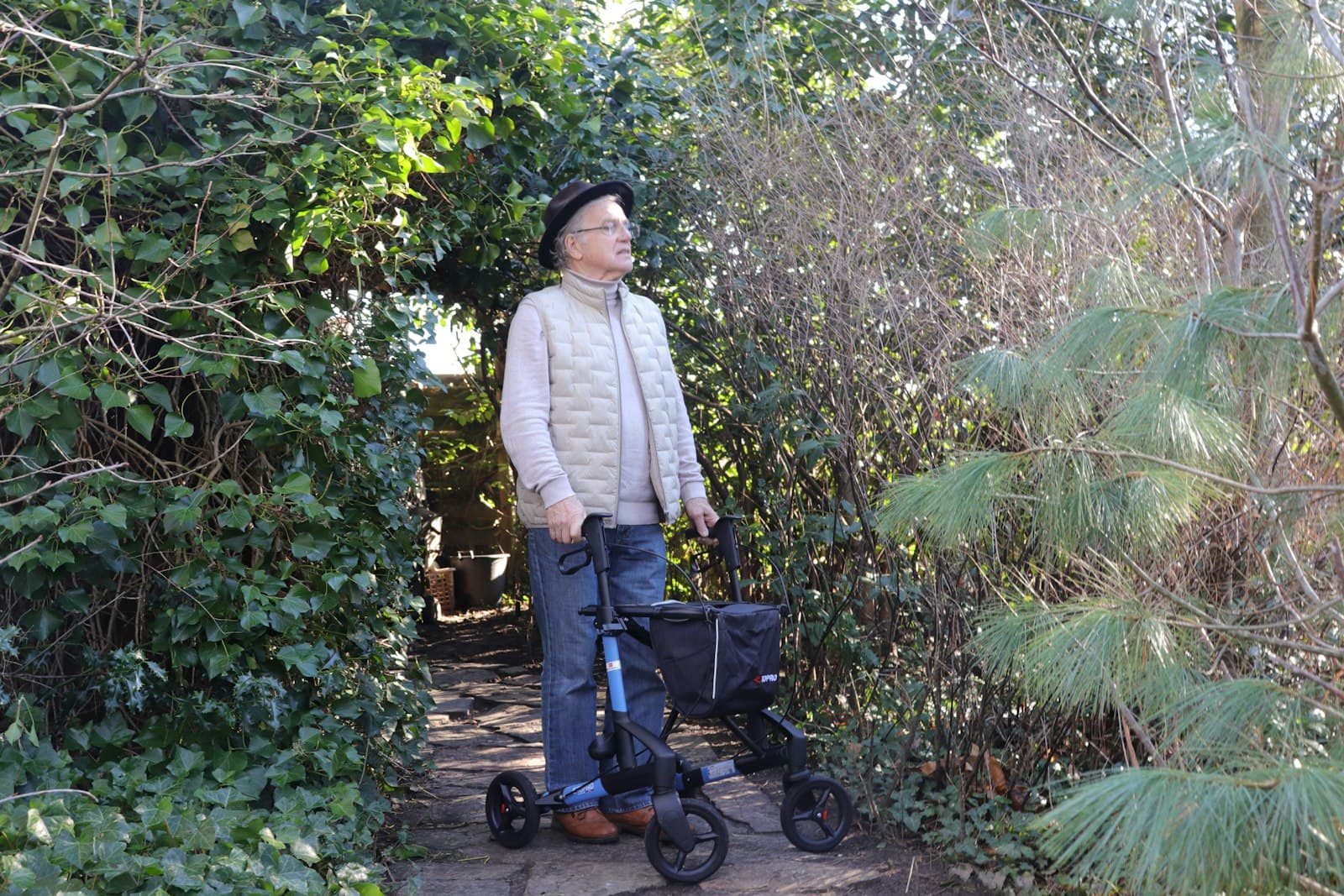
A dementia diagnosis can make a familiar home suddenly feel full of risk. The most useful first step is not buying everything at once — it is naming the specific moment you are worried about: leaving the house unnoticed, getting up at night, a stove left on, or not being able to reach help.
This guide groups the safety layers families compare after a diagnosis, from least to most intrusive. It is educational and does not diagnose or treat dementia, and it does not replace guidance from a physician, neurologist, occupational therapist, or care team as needs change.
Start with the caregiver problem
Choose the support path before choosing the product
Families usually arrive here with a concrete worry: a fall, a missed call, a difficult transfer, a bathroom routine that no longer feels safe, or a parent who wants independence without feeling watched. Use that worry to decide whether the next step is a service, professional guidance, a local backup plan, or a product category.
Name the moment
Identify the exact routine that is breaking down before comparing features, prices, or brands.
Compare the higher-support path
When a service, clinician, installer, monitoring option, or in-guide decision matrix fits better than DIY shopping, start there.
Keep the response plan honest
A product can support the plan, but someone still needs to know what changes matter and who responds if something looks wrong.
Quick shopping checkpoint
If this guide matches your situation, these are the first categories to compare
These shopping paths are tied to this guide's buying questions. Some jump to verified product cards in this guide before opening a retailer. Use them when the category fits, then verify fit, seller, shipping, returns, setup, and current terms before checkout.
How we compare
How we compare options before linking to a product path
We do not claim hands-on testing unless stated. We compare public product details, retailer and provider information, setup requirements, pricing signals when available, warranty and return terms, caregiver fit, and safety questions families should confirm before buying.
Fit the person, home, and routine
We start with who will use the item, where it sits, who installs or maintains it, and what daily task it is supposed to support.
Verify before checkout
Check dimensions, weight ratings, compatibility, delivery, setup, seller terms, returns, warranties, and current subscription details before buying.
Keep professional questions visible
Falls, pain, wounds, medication changes, unsafe transfers, construction, or caregiver strain may call for discharge-team, clinician, therapist, pharmacist, installer, or home-health guidance.
Some links may be affiliate links. We may earn a commission at no extra cost to you. Read how we compare products.
Buying guide
How to choose the right option
Use these quick filters to move from browsing to a product that fits the person, the home, and the daily routine.
Preventing unsafe wandering and exits
Most people living with dementia will try to leave at some point, often without warning. The goal is to notice an exit early and respond — not to lock someone in.
- Compare
- Compare door and window exit alarms, caregiver pagers, motion sensors near doors, and visual cues such as contrast tape or door coverings. Pair any device with a written response plan and current emergency contacts.
- Buying tip
- Never block a required fire exit or trap someone inside. Confirm local fire codes and that a caregiver can actually respond when an alarm sounds.
A dependable way to reach (and find) help
When confusion or mobility makes reaching a phone unrealistic, a monitored alert path can matter more than retail-only hardware — especially if the person could become lost outside.
- Compare
- Compare monitored medical alerts with GPS location and fall detection, wearable comfort (will it truly be worn?), water resistance, charging routine, cellular coverage, and who responds.
- Buying tip
- A device only helps if it is worn and charged. For wandering risk, GPS location and a monitored response often matter more than a single help button.
Nighttime and fall safety
Disorientation, sundowning, and getting up at night raise both fall risk and the chance of an unsafe exit after dark.
- Compare
- Compare motion-sensor night lights along the bed-to-bathroom path, bed and chair exit alarms, bedside fall mats, and clear, uncluttered routes.
- Buying tip
- Lighting should soften shadows without startling. Sensors and mats should not become a new trip hazard.
Gentle check-ins when you can't be there
Families who cannot be present constantly often add a privacy-respecting way to check in between visits.
- Compare
- Compare simple video check-in displays, indoor cameras, and routine-based caregiver alerts. Talk through consent, dignity, and exactly who can view a feed.
- Buying tip
- More cameras are not always better. Start with the least intrusive tool that answers the real worry, and revisit consent as the condition changes.
Plan for responders and safe entry
If someone does leave, or cannot open the door, plan ahead for identification and safe entry.
- Compare
- Compare outdoor key lockboxes for trusted contacts or responders, medical ID jewelry, and keeping a current close-up photo ready to share with police.
- Buying tip
- Consider enrolling in a local wandering-response or safe-return program, and keep emergency contacts and the photo up to date.
Match the worry to the first layer
Which dementia safety layer comes first?
Use this to decide where to start after a diagnosis, before buying several devices at once. Add layers as the condition changes.
Care need
They may leave the house unnoticed
Shopping path
Door and window exit alarms plus a response plan
Verify before checkout
Coverage range, caregiver-pager distance, fire-exit rules, volume, and who responds when it sounds.
Care need
They could become lost outside the home
Shopping path
Monitored medical alert with GPS
Verify before checkout
GPS accuracy, monitored response, wearable comfort, charging routine, and cellular coverage.
Care need
Night exits, sundowning, or falls after dark
Shopping path
Motion lights, a bed or chair exit alarm, and a fall mat
Verify before checkout
Light placement and glare, alarm volume, mat thickness, and a clear bed-to-bathroom path.
Care need
Family lives far away
Shopping path
Video check-in display or caregiver alerts
Verify before checkout
Consent, privacy settings, Wi-Fi, notification routing, and who is expected to respond.
Before checkout
Quick buying checklist
A few practical checks make it easier to pick the right size, format, delivery option, and setup path.
What is the one moment — exits, nighttime, the stove, or reaching help — that worries you most right now?
Will the person actually wear or accept the device, and who keeps it charged?
When an alarm sounds, who responds, and how fast can they get there?
Does a monitoring tool respect consent and dignity, and who can see it?
Have you confirmed fire-exit safety and a safe-entry plan for responders?
Has the care team weighed in as needs change?
Product comparison
Compare dementia home-safety options
Use these after you have named the specific worry. Verify coverage, charging, monitoring terms, and a response plan before buying — and revisit as the condition changes.
Retailer options on this page
Merchant names show where the comparison link opens; availability and terms are verified on the retailer site.
Quick comparison
Compare your options at a glance
Treat this as a shortlist, not a prescription. Options are ordered to surface the most relevant path first; always verify current price, fit, seller, shipping, and return terms on the retailer's site before buying.
Option
Medical Care Alert monitored systems
Best for
Families who want hands-off monitored response and fall-alert support
What you'll compare
Compare Medical Care Alert as a monitored-service path before retail-only hardware, then verify current devices, response process, coverage, fall detection or GPS availability, monthly terms, cancellation, emergency contacts, and equipment-return requirements before enrolling.
Option
Door & window exit alarms
Best for
Fast shipping and the widest everyday selection to compare
What you'll compare
Wireless door and window alarms with caregiver pagers that alert you the moment an exit opens — an early-warning layer against wandering and nighttime exits.
Merchant names show where each comparison link opens. Availability, pricing, and terms are confirmed on the retailer or provider site.
Medical Care Alert
Monitored alert option
Medical Care Alert monitored systems
Compare Medical Care Alert as a monitored-service path before retail-only hardware, then verify current devices, response process, coverage, fall detection or GPS availability, monthly terms, cancellation, emergency contacts, and equipment-return requirements before enrolling.
Why families compare it
A monitored-service path can be a better first comparison when the real worry is who responds after a button press, possible fall, or GPS alert.
Before buying
Verify current device options, professional monitoring, fall detection or GPS availability, cellular and in-home coverage, monthly terms, cancellation, emergency contacts, and equipment returns.
Amazon
Amazon comparison option
Door & window exit alarms
Wireless door and window alarms with caregiver pagers that alert you the moment an exit opens — an early-warning layer against wandering and nighttime exits.
Why families compare it
This category can be a practical starting point when a family is trying to solve one specific daily safety or caregiving friction point.
Before buying
Check fit, sizing, seller details, delivery timing, setup needs, warranty, support, and returns before buying.
Amazon
Amazon comparison option
Bed & chair exit alarms
Pressure-sensitive pads that alert a caregiver the moment someone gets up from bed or a chair, helping catch unsafe movement before a fall.
Why families compare it
This category can be a practical starting point when a family is trying to solve one specific daily safety or caregiving friction point.
Before buying
Check fit, sizing, seller details, delivery timing, setup needs, warranty, support, and returns before buying.
Buying guidance
Use familiar retailers as a confidence check
Seeing the same category across Amazon, Walmart, Target, Home Depot, Best Buy, CVS, Walgreens, or Carewell can help you compare availability, returns, shipping speed, and support before choosing where to buy.
Amazon
Amazon comparison option
Bedside fall mats
Cushioned floor mats beside the bed that soften a fall during disoriented nighttime movement.
Why families compare it
Bedroom products can support transfers, nighttime routines, resting position, and caregiver access around the bed.
Before buying
Check mattress compatibility, rail gaps, bed height, room clearance, entrapment warnings, delivery, setup, and caregiver workflow.
Amazon
Amazon comparison option
Motion-sensor night lights
Automatic lighting along the bed-to-bathroom path to reduce disorientation and falls after dark.
Why families compare it
Caregiver technology can support reminders, communication, alerts, and routine visibility when everyone understands the privacy tradeoffs.
Before buying
Check Wi-Fi needs, subscriptions, app sharing, privacy controls, audio/video settings, power source, and who receives alerts.
Amazon
Amazon comparison option
Video check-in displays
Simple smart displays for face-to-face check-ins and reminders when family cannot be there in person — set up with consent and privacy in mind.
Why families compare it
Caregiver technology can support reminders, communication, alerts, and routine visibility when everyone understands the privacy tradeoffs.
Before buying
Check Wi-Fi needs, subscriptions, app sharing, privacy controls, audio/video settings, power source, and who receives alerts.
Buying guidance
Compare fit before features
Families often get pulled toward the most feature-heavy listing. Fit usually matters first: room measurements, height, weight rating, installation, charging, cleaning, and whether the older adult will actually use it.
Amazon
Amazon comparison option
Outdoor key lockbox
A coded lockbox so a trusted neighbor or responder can enter without forcing a door if the person cannot answer.
Why families compare it
A key-access plan can help an authorized local backup or responder enter without breaking a door when the older adult cannot answer.
Before buying
Check placement, weather resistance, mounting, building rules, code sharing, code changes, who is authorized, and when emergency services should be called.
Before checkout, verify current price, seller, shipping, availability, setup needs, support, and return details on the site you choose.
Frequently Asked Questions
How do I stop a parent with dementia from wandering out of the house?+-
Start with early warning, not locks. Door and window exit alarms (often with a caregiver pager) alert you the moment an exit opens, and visual cues like contrast tape or a door covering can reduce the urge to leave. Pair any device with a response plan, and for someone who could get lost outside, a monitored medical alert with GPS adds location and a trained responder. Never block a required fire exit — confirm local fire codes.
Are cameras a good idea for a parent with dementia?+-
Sometimes, but start with the least intrusive option that answers your actual worry. A simple video check-in display can support face-to-face contact and reminders; indoor cameras can help with safety monitoring. Discuss consent and dignity, decide exactly who can view a feed, and revisit as the condition changes.
What is the best alert device for someone with memory loss?+-
For memory loss, the device that is actually worn and charged wins. Because pressing a button may be forgotten, families often prioritize monitored services with GPS location and automatic fall detection over retail-only hardware. Verify wearable comfort, water resistance, charging routine, cellular coverage, and who responds before enrolling.
What should I set up first after a dementia diagnosis?+-
Name the single moment that worries you most — exits, nighttime, the stove, or reaching help — and address that first. Many families begin with exit alarms and a monitored alert with GPS, then add nighttime lighting and gentle check-ins. Add layers gradually as needs change, with input from the care team.
Related categories
Related product categories to compare
These are optional shopping paths for readers who have already worked through the planning questions above.
Senior Care Products: Shopping Hub for Families
Shop Amazon senior care categories with buying questions for lift chairs, mobility aids, bathroom safety, incontinence supplies, and daily care.
Compare categoryFall Prevention Products for Seniors
Shop Amazon fall-prevention product categories for seniors, including bathroom safety, mobility aids, bed rails, night lights, ramps, and alert wearables.
Compare categoryCaregiver Supplies for Home Care
Shop Amazon caregiver supplies for home care, including gloves, wipes, underpads, commodes, overbed tables, reachers, pill organizers, and night lights.
Compare categoryBefore checkout, verify current price, seller, shipping, availability, fit, setup needs, warranty, and return details.
Build a room-by-room safety plan
Turn these worries into a printable checklist you can walk through at home and share with family and the care team.
Related guides
Medical Alert Systems Guide
Compare at-home and mobile alert options, fall detection, GPS, monitoring centers, and buying questions.
Read guideMedical Alert After a Parent Falls
Compare monitored response, fall detection, charging, cancellation, and home-safety next steps after a parent falls.
Read guideFall Detection Guide
Understand what automatic fall detection can and cannot do before choosing a device.
Read guide