
By Aaron Rabinowe · Updated May 28, 2026
Quick answer
What should families do first when stairs feel unsafe?
When stairs feel unsafe, start by naming the failing movement: traction, rail support, lighting, fatigue, fear, carrying items, or transferring at the top and bottom. Compare treads, handrails, motion lights, ramps, stairlifts, or first-floor setup only after checking the actual stair route, landings, transfer ability, emergency exit plan, and whether PT, OT, a contractor, installer, or clinician should review the change.
Best for
- A family is comparing treads, rails, lighting, ramps, stairlifts, or a main-floor setup because stairs now drive the daily risk.
- The stair problem is tied to walking support, landing transfers, fatigue, carrying items, or whether the person should keep using that route.
Verify first
- Stair shape, surface, tread attachment, rail anchoring, lighting and glare, landing space, doorway swing, and what must be carried on the route.
- Whether the person can transfer safely at both ends and whether the home has a realistic emergency exit plan.
Ask before buying
- PT, OT, clinician, home-health team, contractor, installer, landlord, or local building authority when falls, new weakness, major modifications, or stairlift questions are involved.
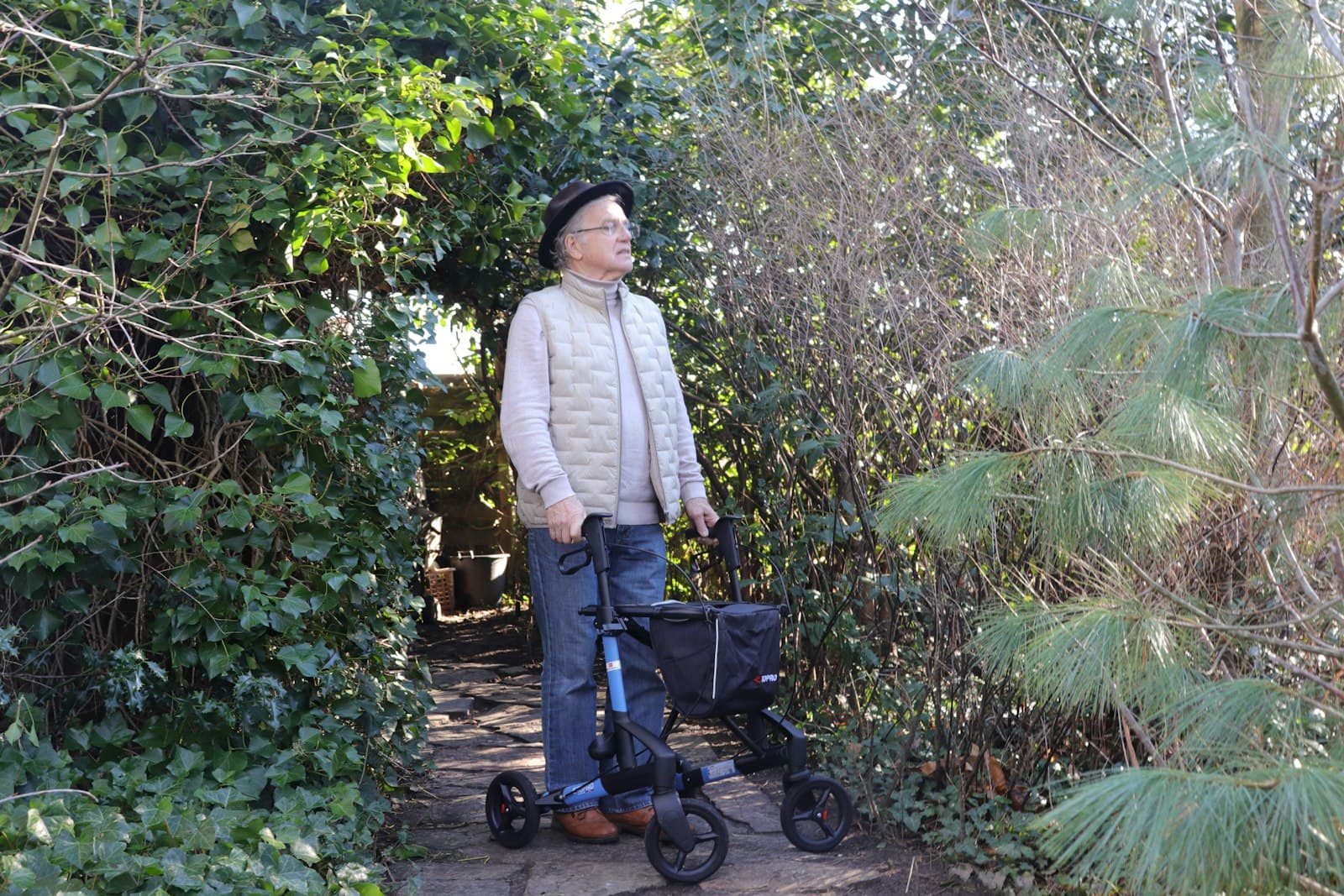
Stairs deserve careful, realistic planning
Stairs can be one of the clearest signs that an aging-at-home plan needs updating. Some homes can be improved with better lighting, rails, and surface traction. Other situations call for a larger decision about stairlifts, first-floor living, moving, or more daily support.
This guide focuses on shopping and comparison questions, not construction or clinical advice. If stairs feel unsafe, consider a professional home safety evaluation.
Start with the caregiver problem
Choose the support path before choosing the product
Families usually arrive here with a concrete worry: a fall, a missed call, a difficult transfer, a bathroom routine that no longer feels safe, or a parent who wants independence without feeling watched. Use that worry to decide whether the next step is a service, professional guidance, a local backup plan, or a product category.
Name the moment
Identify the exact routine that is breaking down before comparing features, prices, or brands.
Compare the higher-support path
When a service, clinician, installer, monitoring option, or in-guide decision matrix fits better than DIY shopping, start there.
Keep the response plan honest
A product can support the plan, but someone still needs to know what changes matter and who responds if something looks wrong.
Quick shopping checkpoint
If this guide matches your situation, these are the first categories to compare
These shopping paths are tied to this guide's buying questions. Some jump to verified product cards in this guide before opening a retailer. Use them when the category fits, then verify fit, seller, shipping, returns, setup, and current terms before checkout.
How we compare
How we compare options before linking to a product path
We do not claim hands-on testing unless stated. We compare public product details, retailer and provider information, setup requirements, pricing signals when available, warranty and return terms, caregiver fit, and safety questions families should confirm before buying.
Fit the person, home, and routine
We start with who will use the item, where it sits, who installs or maintains it, and what daily task it is supposed to support.
Verify before checkout
Check dimensions, weight ratings, compatibility, delivery, setup, seller terms, returns, warranties, and current subscription details before buying.
Keep professional questions visible
Falls, pain, wounds, medication changes, unsafe transfers, construction, or caregiver strain may call for discharge-team, clinician, therapist, pharmacist, installer, or home-health guidance.
Some links may be affiliate links. We may earn a commission at no extra cost to you. Read how we compare products.
Buying guide
How to choose the right option
Use these quick filters to move from browsing to a product that fits the person, the home, and the daily routine.
Non-slip stair treads
Stair treads can improve traction and sometimes visibility when they are compatible with the stair surface.
- Compare
- Compare adhesive, material, thickness, contrast, cleaning, indoor vs outdoor use, and whether the tread works on wood, tile, or carpet.
- Buying tip
- A loose edge or poorly installed tread can become a trip hazard. Installation matters.
Handrails and grip support
A secure rail on the correct side can make stairs easier to navigate, especially when carrying nothing and moving slowly.
- Compare
- Compare rail length, wall support, mounting hardware, grip shape, return ends, local building considerations, and professional installation.
- Buying tip
- Decorative rails or poorly anchored rails may not provide dependable support.
Motion lighting and contrast
Better lighting can help a person see step edges, landings, and obstacles before starting down the stairs.
- Compare
- Compare brightness, sensor range, placement, glare, backup power, switch location, and visibility from both the top and bottom.
- Buying tip
- Lighting should reduce shadows and glare. A bright light in the wrong place can make steps harder to judge.
Stairlifts and alternatives
A stairlift may help in some homes, but it is a larger decision than a small product purchase.
- Compare
- Compare straight vs curved stairs, transfers at both ends, backup power, maintenance, warranty, installation timing, and emergency exit plans.
- Buying tip
- A stairlift does not solve every stair risk. The person still needs to transfer safely and the home still needs an emergency plan.
Before checkout
Quick buying checklist
A few practical checks make it easier to pick the right size, format, delivery option, and setup path.
Is the main issue traction, lighting, strength, balance, fear, or fatigue?
Can the person use both hands on rails, or are they carrying laundry, food, or other items?
Is there a safe landing at the top and bottom?
Would moving key routines to one floor be safer than adding products?
Should a contractor, occupational therapist, or mobility specialist evaluate the stairs?
Product comparison
Shop stair safety starting points
These links help compare stair-safety categories. Verify installation requirements, surface compatibility, current pricing, return terms, and whether a professional should evaluate the staircase.
Retailer options on this page
Merchant names show where the comparison link opens; availability and terms are verified on the retailer site.
Quick comparison
Compare your options at a glance
Treat this as a shortlist, not a prescription. Options are ordered to surface the most relevant path first; always verify current price, fit, seller, shipping, and return terms on the retailer's site before buying.
Option
Power lift recliners
Best for
Fast shipping and the widest everyday selection to compare
What you'll compare
Browse Amazon results sorted toward popular listings, then verify chair width, seat height, recline range, delivery, assembly, warranty, seller, and returns.
Option
Non-slip stair treads
Best for
In-store pickup and installation help for bigger projects
What you'll compare
Compare surface compatibility, visibility, adhesive, cleaning, and whether the tread suits wood, tile, or carpeted stairs.
Option
Non-slip stair treads
Best for
In-store pickup and installation help for bigger projects
What you'll compare
Compare alternate tread styles, material, installation, and return terms before choosing a stair-surface update.
Merchant names show where each comparison link opens. Availability, pricing, and terms are confirmed on the retailer or provider site.

Amazon
Amazon comparison option
Power lift recliners
Browse Amazon results sorted toward popular listings, then verify chair width, seat height, recline range, delivery, assembly, warranty, seller, and returns.
Why families compare it
A lift chair may help when standing from a favorite seat is becoming one of the hardest parts of the day.
Before buying
Check seat height, seat depth, user height, room clearance, fabric, backup power, delivery placement, assembly, warranty, and returns.

Amazon
Amazon comparison option
Mobility scooters
Compare travel and full-size scooter listings by battery range, turning radius, portability, weight capacity, service options, seller, and shipping.
Why families compare it
A scooter can support longer errands or outings when walking distance is the limiting factor, but it needs to fit the person's environment.
Before buying
Check turning radius, battery range, weight capacity, transport weight, storage, terrain, service support, and local rules.

Amazon
Amazon comparison option
Adjustable bed bases
Browse Amazon adjustable-bed options and verify mattress fit, remote controls, height, setup, delivery, warranty, and return terms before buying.
Why families compare it
Bedroom products can support transfers, nighttime routines, resting position, and caregiver access around the bed.
Before buying
Check mattress compatibility, rail gaps, bed height, room clearance, entrapment warnings, delivery, setup, and caregiver workflow.
Buying guidance
Use familiar retailers as a confidence check
Seeing the same category across Amazon, Walmart, Target, Home Depot, Best Buy, CVS, Walgreens, or Carewell can help you compare availability, returns, shipping speed, and support before choosing where to buy.
Amazon
Amazon comparison option
Wheelchair ramps
Compare threshold, portable, and folding ramp listings by rise, slope, surface, width, weight rating, storage, seller, and returns.
Why families compare it
Entry and stair products can make key paths more usable when the home layout is otherwise becoming the obstacle.
Before buying
Check rise, slope, width, surface traction, installation, local code, structural support, and whether a contractor should review it.

Home Depot
Retailer comparison option
Non-slip stair treads
Compare surface compatibility, visibility, adhesive, cleaning, and whether the tread suits wood, tile, or carpeted stairs.
Why families compare it
Traction products can support safer-feeling footing in wet areas, bedrooms, hallways, and stairs when chosen for the actual surface.
Before buying
Check surface compatibility, edge height, tread coverage, cleaning, adhesive or suction style, and whether the item could create a trip edge.
Lowe's
Retailer comparison option
Non-slip stair treads
Compare alternate tread styles, material, installation, and return terms before choosing a stair-surface update.
Why families compare it
Traction products can support safer-feeling footing in wet areas, bedrooms, hallways, and stairs when chosen for the actual surface.
Before buying
Check surface compatibility, edge height, tread coverage, cleaning, adhesive or suction style, and whether the item could create a trip edge.
Buying guidance
Compare fit before features
Families often get pulled toward the most feature-heavy listing. Fit usually matters first: room measurements, height, weight rating, installation, charging, cleaning, and whether the older adult will actually use it.
Lowe's
Retailer comparison option
Stair handrails
Compare rail length, profile, mounting hardware, wall support, and whether installation should be handled by a qualified professional.
Why families compare it
Entry and stair products can make key paths more usable when the home layout is otherwise becoming the obstacle.
Before buying
Check rise, slope, width, surface traction, installation, local code, structural support, and whether a contractor should review it.

Home Depot
Retailer comparison option
Motion sensor lights
Compare brightness, power source, sensor range, and placement for stairs, hallways, and landings.
Why families compare it
Caregiver technology can support reminders, communication, alerts, and routine visibility when everyone understands the privacy tradeoffs.
Before buying
Check Wi-Fi needs, subscriptions, app sharing, privacy controls, audio/video settings, power source, and who receives alerts.

Amazon
Amazon comparison option
Amazon senior care products
Browse Amazon senior-care product results focused on aging-at-home categories, including mobility aids, bathroom safety items, daily care supplies, and bedroom helpers.
Why families compare it
This category can be a practical starting point when a family is trying to solve one specific daily safety or caregiving friction point.
Before buying
Check fit, sizing, seller details, delivery timing, setup needs, warranty, support, and returns before buying.
Before checkout, verify current price, seller, shipping, availability, setup needs, support, and return details on the site you choose.
Frequently Asked Questions
Are stair treads enough to make stairs safe?+-
Sometimes they help, but they are only one layer. Rail support, lighting, step condition, strength, balance, and whether stairs should still be used all matter.
When should families consider a stairlift?+-
Consider a stairlift when stairs are a daily barrier and the person can transfer safely at both ends. It should be evaluated with the specific staircase and emergency plan in mind.
Can motion lights help on stairs?+-
They can help visibility, especially at night, but placement matters. Lights should illuminate step edges without glare or confusing shadows.
Related categories
Related product categories to compare
These are optional shopping paths for readers who have already worked through the planning questions above.
Stair Treads for Seniors
Shop Amazon stair treads for seniors with questions about surface fit, adhesive, visibility, edge height, cleaning, and returns.
Compare categorySenior Care Products: Shopping Hub for Families
Shop Amazon senior care categories with buying questions for lift chairs, mobility aids, bathroom safety, incontinence supplies, and daily care.
Compare categoryFall Prevention Products for Seniors
Shop Amazon fall-prevention product categories for seniors, including bathroom safety, mobility aids, bed rails, night lights, ramps, and alert wearables.
Compare categoryBefore checkout, verify current price, seller, shipping, availability, fit, setup needs, warranty, and return details.
Compare stair decisions with the full home plan
Stairs affect bathroom access, bedroom location, exits, laundry, meals, and whether aging at home remains realistic.
Related guides
Medical Alert Systems Guide
Compare at-home and mobile alert options, fall detection, GPS, monitoring centers, and buying questions.
Read guideMedical Alert After a Parent Falls
Compare monitored response, fall detection, charging, cancellation, and home-safety next steps after a parent falls.
Read guideFall Detection Guide
Understand what automatic fall detection can and cannot do before choosing a device.
Read guide