By Aaron Rabinowe · Updated May 28, 2026
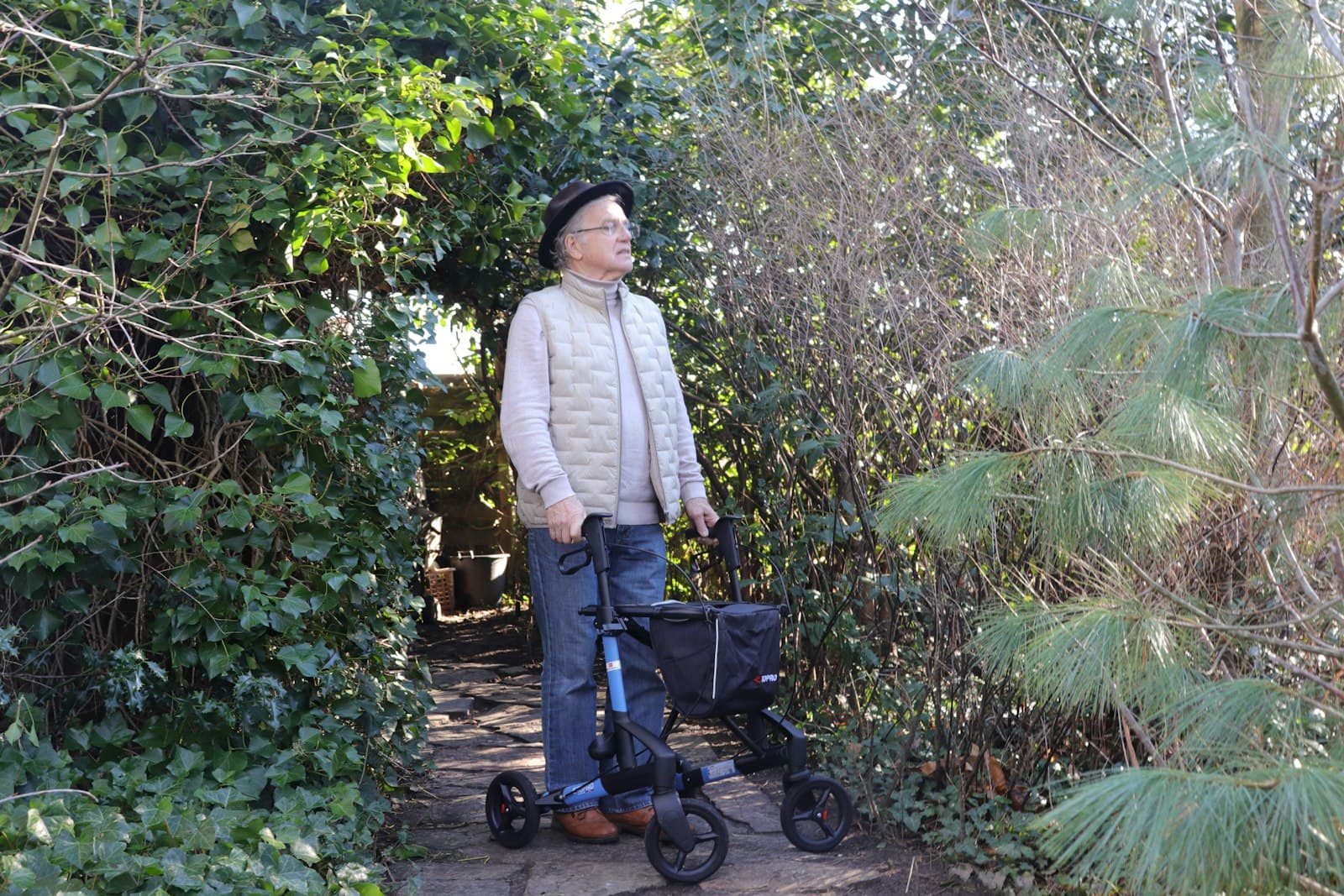
Set the home up for a safer recovery
Coming home after a stroke often means new, uneven challenges — one side may be weaker, balance and stamina change, and the fall risk is high. The home setup should match the specific abilities the person comes home with, which is why the rehab team's guidance matters so much.
This is a general equipment guide, not medical advice. The stroke rehab team — physiatrist, physical and occupational therapists, and speech therapist — should confirm transfer technique, weight-bearing, swallowing and communication needs, and which equipment fits before you buy.
Start with the caregiver problem
Choose the support path before choosing the product
Families usually arrive here with a concrete worry: a fall, a missed call, a difficult transfer, a bathroom routine that no longer feels safe, or a parent who wants independence without feeling watched. Use that worry to decide whether the next step is a service, professional guidance, a local backup plan, or a product category.
Name the moment
Identify the exact routine that is breaking down before comparing features, prices, or brands.
Compare the higher-support path
When a service, clinician, installer, monitoring option, or in-guide decision matrix fits better than DIY shopping, start there.
Keep the response plan honest
A product can support the plan, but someone still needs to know what changes matter and who responds if something looks wrong.
Quick shopping checkpoint
If this guide matches your situation, these are the first categories to compare
These shopping paths are tied to this guide's buying questions. Some jump to verified product cards in this guide before opening a retailer. Use them when the category fits, then verify fit, seller, shipping, returns, setup, and current terms before checkout.
How we compare
How we compare options before linking to a product path
We do not claim hands-on testing unless stated. We compare public product details, retailer and provider information, setup requirements, pricing signals when available, warranty and return terms, caregiver fit, and safety questions families should confirm before buying.
Fit the person, home, and routine
We start with who will use the item, where it sits, who installs or maintains it, and what daily task it is supposed to support.
Verify before checkout
Check dimensions, weight ratings, compatibility, delivery, setup, seller terms, returns, warranties, and current subscription details before buying.
Keep professional questions visible
Falls, pain, wounds, medication changes, unsafe transfers, construction, or caregiver strain may call for discharge-team, clinician, therapist, pharmacist, installer, or home-health guidance.
Some links may be affiliate links. We may earn a commission at no extra cost to you. Read how we compare products.
Buying guide
How to choose the right option
Use these quick filters to move from browsing to a product that fits the person, the home, and the daily routine.
A dependable way to reach help
Stroke survivors have a higher risk of another event and of falls, so reaching help quickly matters — especially if alone during the day.
- Compare
- Compare monitored alerts with fall detection and, if helpful, GPS; check one-handed use, wearable comfort, charging, and who responds.
- Buying tip
- Choose a device that works with limited use of one hand and that will actually be worn and charged.
Safer transfers
Moving between bed, chair, wheelchair, and toilet is the highest-risk moment when one side is weak.
- Compare
- Compare transfer boards, gait belts for a caregiver's secure hold, and bed rails or assist handles.
- Buying tip
- A therapist should teach transfer technique; equipment supports it but does not replace training.
Bathroom safety
Bathing and toileting are common fall and frustration points after a stroke.
- Compare
- Compare shower chairs or benches, grab bars, raised toilet seats with arms, and handheld shower heads.
- Buying tip
- Grab bars need mounting into structure; plan placement around the stronger side.
Getting around
Walking endurance and balance rebuild gradually, and a backup for longer distances helps.
- Compare
- Compare rollators sized to balance and grip, a cane as strength returns, and a transport wheelchair for fatigue or distance.
- Buying tip
- Match handle height, braking, and one-handed control to current ability with the physical therapist.
Daily living and communication
Everyday tasks and communication may need adapting, especially with one-sided weakness or aphasia.
- Compare
- Compare adaptive (built-up, weighted, one-handed) utensils and daily aids; ask the speech therapist about communication tools.
- Buying tip
- Let the occupational and speech therapists guide which adaptations fit the person's specific deficits.
Match the need to the right support
What to set up for each stroke-recovery need
Use after the rehab team confirms abilities and technique. Verify fit and one-handed usability before buying.
Care need
Reaching help if alone or after another event
Shopping path
Monitored alert with fall detectionVerify before checkout
One-handed use, wearable comfort, charging, coverage, and who responds.
Care need
Transferring between bed, chair, and toilet
Shopping path
Transfer board + gait belt (with trained technique)Verify before checkout
Board length and surface, belt fit, and therapist-taught technique.
Care need
Bathing and toileting
Verify before checkout
Seat fit, grab-bar mounting, and placement around the stronger side.
Care need
Getting around the home and beyond
Shopping path
Rollator (then a cane); transport chair for distanceVerify before checkout
Handle height, braking, one-handed control, and doorway width.
Before checkout
Quick buying checklist
A few practical checks make it easier to pick the right size, format, delivery option, and setup path.
What did the rehab team say about transfers, weight-bearing, and balance?
Does the person have one-sided weakness or limited hand use that affects device choice?
Are there swallowing, vision, or communication needs the OT or speech therapist flagged?
Is help reachable quickly if the person is alone during the day?
Are grab bars and transfers planned around the stronger side?
Product comparison
Compare stroke-recovery equipment
Use these after the rehab team confirms abilities and technique. Verify one-handed usability, fit, and mounting before buying, and revisit as recovery progresses.
Retailer options on this page
Merchant names show where the comparison link opens; availability and terms are verified on the retailer site.
Quick comparison
Compare your options at a glance
Treat this as a shortlist, not a prescription. Options are ordered to surface the most relevant path first; always verify current price, fit, seller, shipping, and return terms on the retailer's site before buying.
Option
Medical Care Alert monitored systems
Best for
Families who want hands-off monitored response and fall-alert support
What you'll compare
Compare Medical Care Alert as a monitored-service path before retail-only hardware, then verify current devices, response process, coverage, fall detection or GPS availability, monthly terms, cancellation, emergency contacts, and equipment-return requirements before enrolling.
Option
Transport wheelchairs
Best for
Fast shipping and the widest everyday selection to compare
What you'll compare
A lighter chair a caregiver pushes for longer distances or fatigue while walking endurance rebuilds.
Merchant names show where each comparison link opens. Availability, pricing, and terms are confirmed on the retailer or provider site.

Medical Care Alert
Monitored alert option
Medical Care Alert monitored systems
Compare Medical Care Alert as a monitored-service path before retail-only hardware, then verify current devices, response process, coverage, fall detection or GPS availability, monthly terms, cancellation, emergency contacts, and equipment-return requirements before enrolling.
Why families compare it
A monitored-service path can be a better first comparison when the real worry is who responds after a button press, possible fall, or GPS alert.
Before buying
Verify current device options, professional monitoring, fall detection or GPS availability, cellular and in-home coverage, monthly terms, cancellation, emergency contacts, and equipment returns.

Amazon
Amazon comparison option
Transport wheelchairs
A lighter chair a caregiver pushes for longer distances or fatigue while walking endurance rebuilds.
Why families compare it
An ultra-lightweight or folding wheelchair can make ramps, doorways, and vehicle transfers easier when chair weight or bulk is part of the daily friction.
Before buying
Check seat width, weight capacity, folding size, ramp compatibility, vehicle fit, battery range (power chairs), turning radius, and whether a PT or OT should help fit the chair.

Amazon
Amazon comparison option
Transfer boards
Bridge the gap between bed, chair, wheelchair, and toilet when one side is weak, reducing unsafe lifting.
Why families compare it
Higher-support equipment can be useful when transfers, recovery routines, or caregiver tasks need more than everyday retail products.
Before buying
Confirm dimensions, weight limits, sling or accessory compatibility, delivery, setup, caregiver training, return terms, and whether a qualified professional should guide the choice.
Buying guidance
Use familiar retailers as a confidence check
Seeing the same category across Amazon, Walmart, Target, Home Depot, Best Buy, CVS, Walgreens, or Carewell can help you compare availability, returns, shipping speed, and support before choosing where to buy.
Amazon
Amazon comparison option
Shower chairs & benches
Seated bathing is safer when balance, strength, or one-sided weakness make standing to bathe risky.
Why families compare it
A seated bathing setup can make showers less tiring and easier to supervise when standing for the whole routine is difficult.
Before buying
Check seat width, height range, arm support, drainage, weight rating, shower footprint, and whether the legs sit flat on the floor.
Amazon
Amazon comparison option
Rollator walkers
Wheeled support with a seat for rests; match handle height, braking, and turning to the person's balance and strength.
Why families compare it
Walking aids can make short trips, hallway movement, and outdoor errands feel more manageable when matched to balance and strength.
Before buying
Check handle height, brake control, wheel size, folding, grip comfort, tip replacement, and whether a clinician should help fit it.

Amazon
Amazon comparison option
Bed rails & assist handles
Support for repositioning, sitting up, and getting in and out of bed safely; verify mattress fit and entrapment warnings.
Why families compare it
Bedroom products can support transfers, nighttime routines, resting position, and caregiver access around the bed.
Before buying
Check mattress compatibility, rail gaps, bed height, room clearance, entrapment warnings, delivery, setup, and caregiver workflow.
Buying guidance
Compare fit before features
Families often get pulled toward the most feature-heavy listing. Fit usually matters first: room measurements, height, weight rating, installation, charging, cleaning, and whether the older adult will actually use it.

Amazon
Amazon comparison option
Gait / transfer belts
Give a caregiver a secure hold to steady and guide transfers and walking during recovery.
Why families compare it
This category can be a practical starting point when a family is trying to solve one specific daily safety or caregiving friction point.
Before buying
Check fit, sizing, seller details, delivery timing, setup needs, warranty, support, and returns before buying.
Amazon
Amazon comparison option
Grab bars
Mounted hand support at the toilet, shower, and tub for safer transfers with limited use of one side.
Why families compare it
A properly installed grab bar gives a predictable handhold near transfers, toilets, tubs, showers, and other high-use bathroom spots.
Before buying
Check length, grip texture, wall type, mounting hardware, stud placement, and whether professional installation is the safer route.
Amazon
Amazon comparison option
Raised toilet seats
A higher seat with arms makes sitting and standing easier and safer during recovery.
Why families compare it
Toilet-height and bedside toileting products can reduce difficult sit-to-stand moments and shorten nighttime walking routines.
Before buying
Check toilet shape, seat height, locking style, arm support, cleaning routine, room clearance, splash guard, and stability.
Buying guidance
Start with the routine, not the product
Before buying, name the moment you are trying to improve: getting out of a chair, bathing, walking to the bathroom at night, remembering medication, or reaching help quickly. The right product should make that routine simpler.
Amazon
Amazon comparison option
Adaptive utensils & daily aids
Built-up, weighted, or one-handed utensils and aids that support eating and daily tasks with limited hand use.
Why families compare it
Daily living aids can make small tasks easier without asking for help every time, especially dressing, reaching, eating, and kitchen routines.
Before buying
Check grip comfort, handle size, reach length, cleaning, storage, hand strength needs, and whether the tool solves a frequent task.
Before checkout, verify current price, seller, shipping, availability, setup needs, support, and return details on the site you choose.
Frequently Asked Questions
What home equipment is needed after a stroke?+-
It depends on which abilities change, but common setups include a way to reach help (a monitored alert with fall detection), transfer aids (a transfer board and gait belt used with trained technique), bathroom safety (shower chair, grab bars, raised toilet seat with arms), mobility support (a rollator, then a cane, plus a transport wheelchair for distance), and adaptive daily-living tools. The rehab team confirms what fits the person's specific deficits.
Why is fall risk so high after a stroke?+-
A stroke can affect balance, strength on one side, vision, and sensation, so everyday movements become unsteady — and the risk of another event is elevated. Setting up safe transfers, bathroom support, and a reliable way to reach help reduces both the chance and the consequences of a fall.
What helps with one-sided weakness at home?+-
Plan support around the stronger side: mount grab bars and arrange transfers so the stronger arm and leg do the work, use a gait belt so a caregiver can steady transfers, and add adaptive one-handed or built-up utensils and tools. An occupational therapist can recommend the specific aids that match the person's abilities.
Should a stroke survivor living alone have a medical alert?+-
It is worth strong consideration. Stroke survivors have a higher risk of falls and of another event, so a monitored alert with fall detection — chosen so it can be used with one hand and is worn and charged — provides a fast way to reach help when no one else is home.
Related categories
Related product categories to compare
These are optional shopping paths for readers who have already worked through the planning questions above.
Senior Care Products: Shopping Hub for Families
Shop Amazon senior care categories with buying questions for lift chairs, mobility aids, bathroom safety, incontinence supplies, and daily care.
Compare categoryFall Prevention Products for Seniors
Shop Amazon fall-prevention product categories for seniors, including bathroom safety, mobility aids, bed rails, night lights, ramps, and alert wearables.
Compare categoryCaregiver Supplies for Home Care
Shop Amazon caregiver supplies for home care, including gloves, wipes, underpads, commodes, overbed tables, reachers, pill organizers, and night lights.
Compare categoryBefore checkout, verify current price, seller, shipping, availability, fit, setup needs, warranty, and return details.
Plan the hospital-home recovery setup
Turn this into the printable hospital-home basket so help access, bathroom, transfer, mobility, and daily-living questions travel with the rehab and discharge team.
Related guides
Medical Alert Systems Guide
Compare at-home and mobile alert options, fall detection, GPS, monitoring centers, and buying questions.
Read guideMedical Alert After a Parent Falls
Compare monitored response, fall detection, charging, cancellation, and home-safety next steps after a parent falls.
Read guideFall Detection Guide
Understand what automatic fall detection can and cannot do before choosing a device.
Read guide